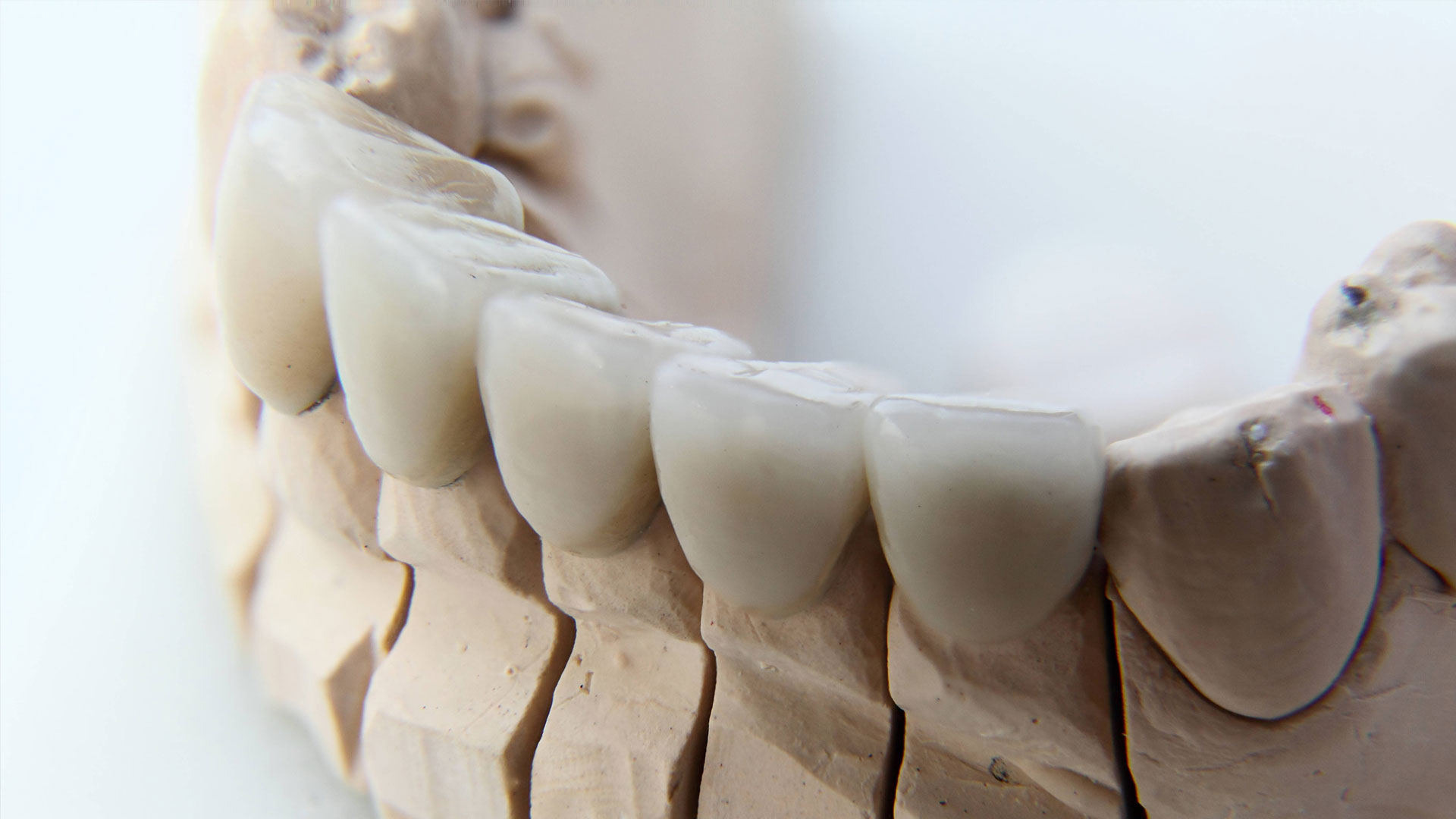
Dental Crowns & Bridges in Brentwood, CA
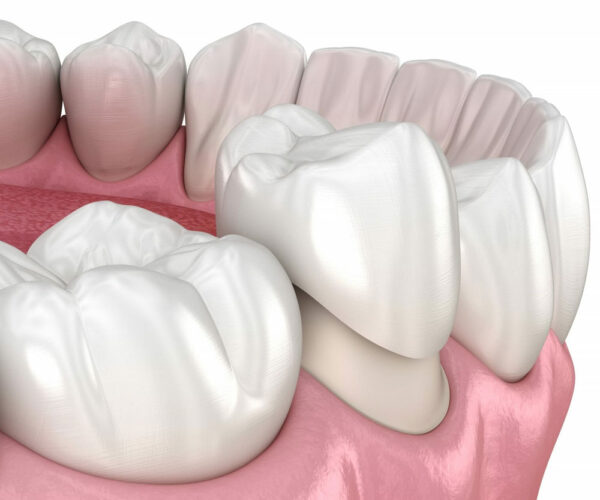
Dental crowns and bridges are restorative treatments used to repair damaged teeth and replace missing teeth. A dental crown is a tooth-shaped restoration that fits over a prepared tooth to restore its shape, strength, function, and appearance.
At Marsh Creek Dental, we provide personalized dental crowns and bridges in Brentwood, CA. Your dentist can evaluate the condition of your teeth, discuss your goals, and recommend the appropriate restoration based on your oral health and treatment needs.
Why Is a Dental Crown Needed?
- Protecting a weak tooth: A crown can help protect a tooth that has been weakened by decay, a large filling, or other damage.
- Restoring a broken tooth: A damaged or severely worn tooth may need a crown to restore its shape and function.
- Supporting a tooth with a large filling: When there is not enough natural tooth structure remaining to support a filling, a crown may provide additional protection.
- Supporting a dental bridge: Crowns can be used to support a traditional dental bridge and replace a missing tooth.
- Improving tooth appearance: Crowns may be used to improve the shape, color, or appearance of a severely discolored or misshapen tooth.
- Restoring a dental implant: A crown can be attached to a dental implant to replace the visible portion of a missing tooth.
- Cosmetic improvements: In selected cases, a crown may help improve the appearance of a damaged or irregular tooth.
Dental Bridges Can Replace Missing Teeth
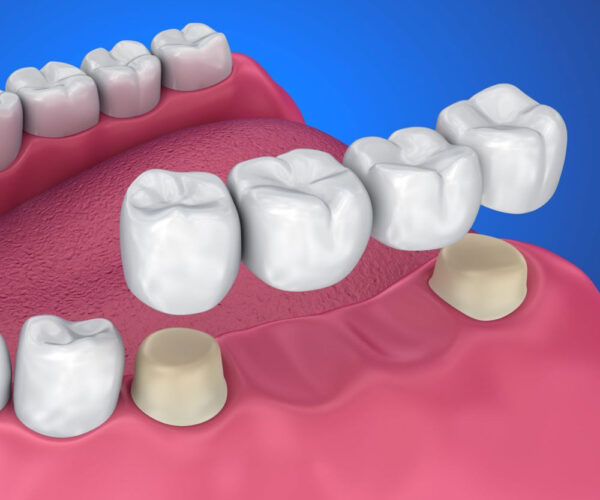
A dental bridge is a restoration designed to replace one or more missing teeth. A traditional bridge typically includes crowns placed on the teeth next to the gap, known as abutment teeth, with one or more artificial teeth, called pontics, between them.
Dental bridges can be made from different materials, including porcelain, ceramic, metal alloys, or combinations of materials. The appropriate material and design depend on the location of the missing tooth, your bite, the condition of your supporting teeth, and your overall treatment needs.
Dental bridges may also be supported by dental implants in certain situations. Your dentist can evaluate your smile and explain whether a traditional bridge or another tooth replacement option may be appropriate.
What Are the Benefits of Dental Bridges?
- Restore your smile: A bridge can fill the visible space left by a missing tooth.
- Improve chewing: Replacing missing teeth can make it easier to chew a variety of foods.
- Support speech: Filling gaps between teeth may help improve certain speech difficulties caused by missing teeth.
- Maintain your bite: A bridge can help distribute biting forces across the teeth.
- Help prevent tooth movement: Replacing a missing tooth may help reduce the tendency of neighboring teeth to shift into the open space.
Most Popular and Trending Dental Crown & Bridge Questions
A traditional dental bridge commonly uses crowns on the natural teeth next to the missing-tooth space. These crowns support the artificial tooth or teeth that fill the gap.
However, not every bridge is designed in exactly the same way. Some bridges can be supported by dental implants instead of natural teeth. Your dentist can recommend the appropriate design based on the location of the missing tooth and the condition of your surrounding teeth.
The lifespan of a dental crown or bridge varies depending on the material, oral hygiene, bite forces, location in the mouth, and everyday habits. With proper care, many crowns and bridges can last for many years, but they may eventually require repair or replacement.
Regular dental examinations and professional routine cleanings can help monitor your restoration and the health of the surrounding teeth and gums. Avoiding habits such as chewing ice or using your teeth to open objects can also help protect your dental work.
Using an electric toothbrush according to the manufacturer’s instructions should not normally loosen a properly placed dental crown or bridge. Electric toothbrushes can be useful for removing plaque and maintaining good oral hygiene around dental restorations.
If your crown or bridge feels loose, moves when you bite, or becomes uncomfortable, contact your dentist rather than continuing to use it as normal. A dental professional can determine whether the restoration or the underlying tooth needs attention.