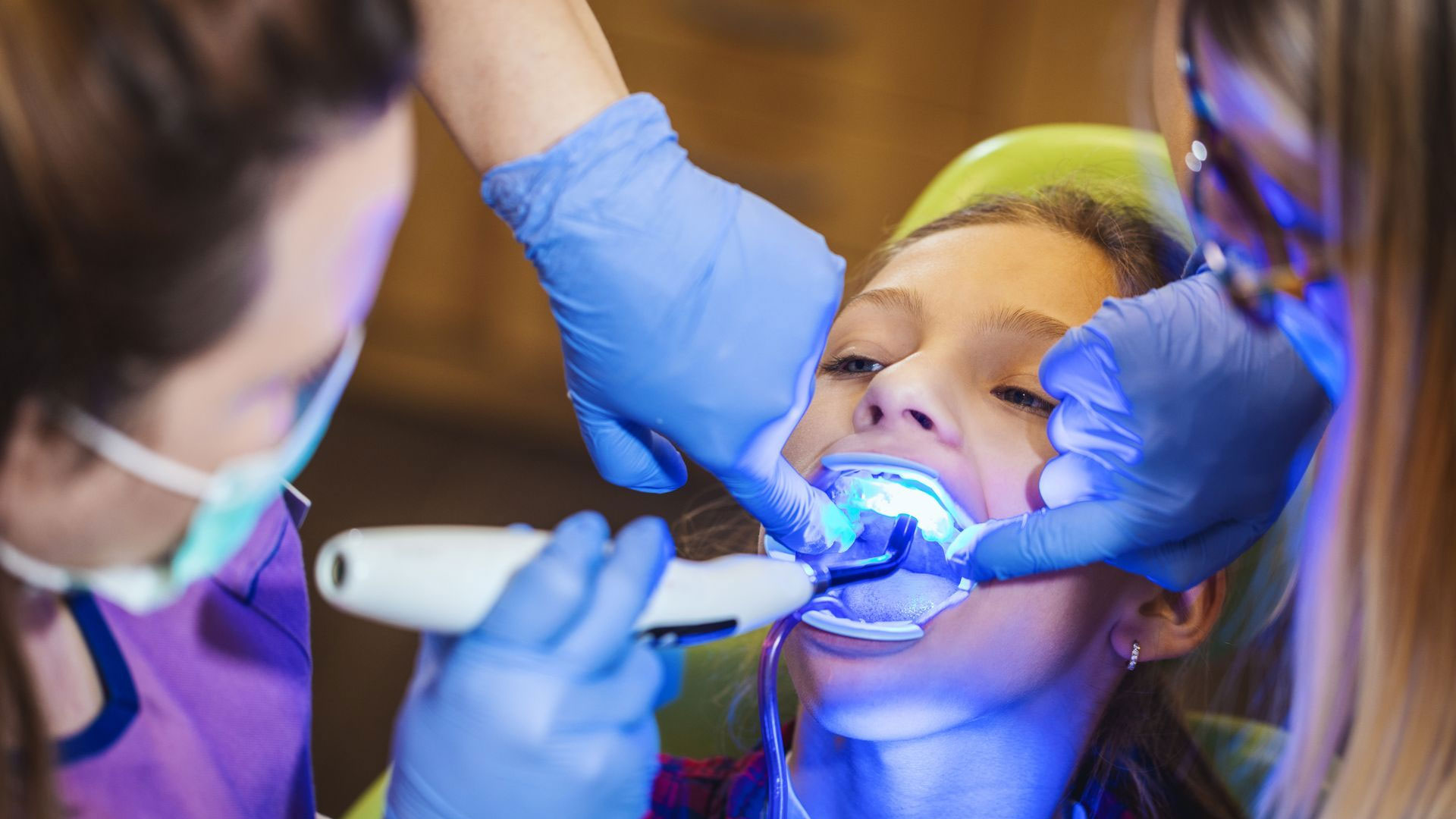
Dental Sealants in Brentwood, CA
Preventing cavities is an important part of maintaining healthy teeth for children, teenagers, and adults. At Marsh Creek Dental, we provide guidance on dental sealants in Brentwood, CA as part of a comprehensive approach to preventive dental care.
Dental sealants are thin protective coatings that can be applied to the chewing surfaces of certain teeth. They are designed to help keep food particles and plaque from collecting in the small grooves and pits where cavities can develop.
While sealants are not a replacement for brushing, flossing, professional dental cleanings, or regular dental examinations, they can be an additional tool for protecting vulnerable teeth.
What Are Dental Sealants?
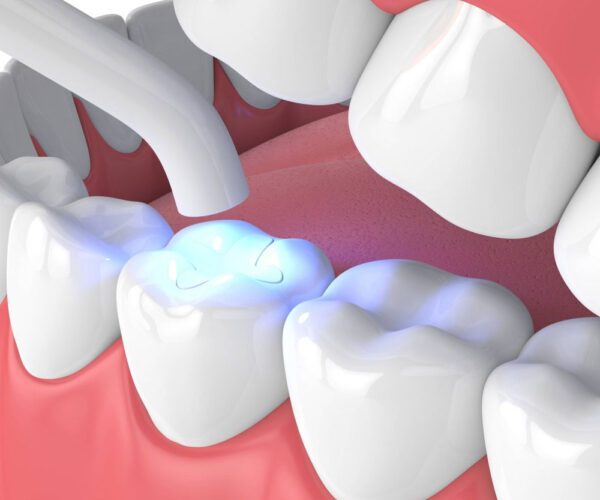
Dental sealants are thin protective materials placed over the grooves and pits on the chewing surfaces of teeth.
Back teeth, especially molars and premolars, can have naturally deep grooves. These areas can sometimes be difficult to clean thoroughly with a toothbrush.
A sealant creates a smoother surface that can make it more difficult for food particles and plaque to remain trapped in these grooves.
Dental sealants may be recommended when a dentist determines that certain teeth could benefit from additional protection against cavities.
Who Can Benefit From Dental Sealants?
Dental sealants are commonly considered for children and teenagers because newly erupted permanent molars can be particularly vulnerable to cavities.
However, sealants are not necessarily limited to children.
Depending on the condition and anatomy of the teeth, a dentist may also consider sealants for adults who have deep grooves or other areas that may be more susceptible to decay.
A dental evaluation can help determine whether sealants are appropriate for your individual needs.
For children, sealants can be incorporated into a broader preventive plan that includes regular examinations, professional cleanings, and pediatric dental care in Brentwood.
Dental Sealants for Children in Brentwood
Children are still developing their brushing and flossing habits, which can make cavity prevention especially important.
As permanent molars erupt, their chewing surfaces may contain deep grooves that are difficult to clean completely.
Dental sealants can provide an additional layer of protection for these areas.
Parents may want to discuss dental sealants with their child’s dentist when:
- Permanent molars begin to erupt
- The child has deep grooves in the back teeth
- The child has previously experienced cavities
- Brushing is difficult in certain areas
- The dentist identifies teeth that may be more susceptible to decay
- Additional preventive protection is appropriate
Sealants are most effective when combined with good daily oral hygiene and regular dental visits.
How Do Dental Sealants Help Prevent Cavities?
Cavities develop when bacteria, plaque, and acids contribute to the breakdown of tooth structure.
The grooves on the chewing surfaces of back teeth can sometimes collect food particles and plaque. Because these areas may be difficult to clean, they can become vulnerable to decay.
A dental sealant covers these grooves with a protective layer.
The sealant does not replace regular brushing or professional dental care. Instead, it works as an additional preventive measure designed to help protect susceptible areas.
What Happens During a Dental Sealant Appointment?
Applying a dental sealant is generally a straightforward dental procedure.
The dentist will first examine the tooth to determine whether a sealant is appropriate.
The general process may include:
- Cleaning the tooth.
- Preparing the chewing surface.
- Keeping the tooth appropriately dry.
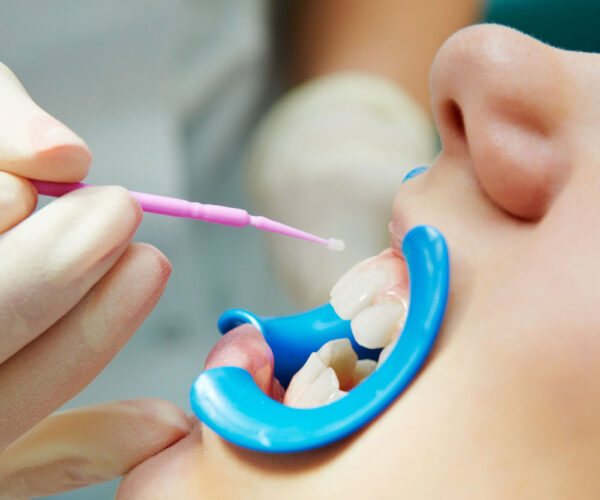
- Applying the sealant material.
- Allowing the material to harden.
- Checking the sealant and bite.
The dentist will make sure the sealant is properly positioned before completing the appointment.
Because each patient is different, the dentist will determine the most appropriate approach based on the condition of the tooth.
Are Dental Sealants Painful?
Dental sealant placement is generally considered a non-invasive procedure.
The process does not normally require removing significant amounts of healthy tooth structure. Patients may experience little to no discomfort during application.
However, every dental appointment is different. If you or your child has dental anxiety or specific concerns about treatment, let the dental team know before the procedure.
A comfortable dental experience is particularly important for children who are developing their long-term relationship with dental care.
Dental Sealants and Regular Dental Cleanings
Dental sealants are only one component of preventive dentistry.
Professional dental cleanings remain important because sealants cannot remove plaque or tartar from the rest of the mouth.
Regular teeth cleaning in Brentwood, CA can help remove accumulated plaque and tartar while allowing the dental team to monitor the health of the teeth and gums.
During routine visits, the dentist can also evaluate existing sealants and determine whether they remain intact.
Dental Sealants and Oral Hygiene
Even with dental sealants, children and adults still need an effective daily oral hygiene routine.
Good habits include:
- Brushing twice a day
- Cleaning between teeth daily
- Limiting frequent sugary snacks and drinks
- Drinking water regularly
- Maintaining regular dental appointments
- Following individualized dental recommendations
Our oral hygiene education in Brentwood can help patients and families understand how daily habits contribute to long-term oral health.
Sealants should be viewed as an additional layer of protection rather than a substitute for good oral hygiene.
Dental Sealants and Fluoride
Fluoride and dental sealants can serve different preventive purposes.
Fluoride helps strengthen tooth enamel and supports the teeth’s natural ability to resist acid-related damage. Sealants provide a physical protective layer over certain grooves and pits.
Depending on the patient’s age, dental history, oral hygiene, and cavity risk, a dentist may recommend one or both approaches.
Your dentist can develop a preventive plan based on your individual oral health needs.
How Long Do Dental Sealants Last?
Dental sealants can remain protective for years, but their longevity varies.
Normal chewing, tooth wear, changes in the teeth, and other factors can affect the condition of a sealant.
During regular dental visits, the dentist can check whether the sealant remains intact.
If a sealant becomes worn or damaged, the dentist can determine whether it should be repaired or replaced.
Regular examinations are therefore important even after sealants have been placed.
Can Adults Get Dental Sealants?
Yes. Although sealants are frequently associated with children’s preventive dentistry, adults may also be candidates in certain situations.
An adult may benefit from sealants when particular teeth have deep grooves or anatomy that makes them more difficult to clean.
The decision depends on the condition of the tooth and the individual’s overall cavity risk.
If you are an adult who has experienced repeated cavities or has deep grooves in your back teeth, ask your dentist whether dental sealants may be appropriate.
Dental Sealants for Children With a History of Cavities
A child’s previous dental history can help determine preventive care needs.
If a child has already experienced cavities, the dentist may evaluate whether additional preventive measures could reduce the risk of future decay.
Sealants may be considered along with:
- Regular dental examinations
- Professional cleanings
- Fluoride recommendations
- Daily brushing and flossing
- Dietary guidance
- Oral hygiene education
- Monitoring of developing permanent teeth
Preventive dentistry is most effective when multiple healthy habits work together.
Dental Sealants and Dental X-Rays
Dental examinations may sometimes include diagnostic imaging when clinically appropriate.
Dental X-rays in Brentwood, CA can help dentists evaluate areas that cannot be fully examined by simply looking at the visible surfaces of the teeth.
X-rays may help identify cavities between teeth or other dental concerns that require further evaluation.
Sealants and X-rays serve different purposes, but both may be components of a comprehensive preventive dental approach when clinically appropriate.
How Are Dental Sealants Different From Fillings?
Dental sealants and fillings have different purposes.
A sealant is primarily a preventive treatment applied to susceptible grooves and pits when a tooth is suitable for sealing.
A filling is generally used to restore a tooth after decay has damaged the tooth structure.
If a cavity has already developed, a sealant is not necessarily a substitute for appropriate restorative treatment.
For information about cavity treatment, see our page about dental fillings in Brentwood, CA.
Your dentist can determine whether a tooth is healthy enough for preventive sealing or requires restorative treatment.
Dental Sealants and Preventing Childhood Cavities
Preventing cavities during childhood can help establish healthier long-term dental habits.
Parents can support cavity prevention by encouraging children to:
- Brush regularly with fluoride toothpaste as recommended
- Clean between teeth appropriately
- Avoid frequent sugary snacks
- Drink water
- Attend regular dental appointments
- Wear appropriate mouth protection during sports
- Follow their dentist’s recommendations
Dental sealants can complement these habits by providing additional protection to certain vulnerable tooth surfaces.
For children who participate in sports, appropriate mouth guards in Brentwood, CA may also be recommended to help protect teeth from injury.
What Happens if a Sealant Falls Off?
A dental sealant can sometimes become worn, chipped, or partially detached.
If you notice that a sealant appears damaged or has fallen off, contact your dentist for an evaluation.
The dentist can determine whether the sealant should be repaired or replaced and whether the underlying tooth shows any signs of decay.
Do not attempt to repair a dental sealant yourself.
Regular dental examinations make it easier for the dental team to monitor sealants and address problems early.
Are Dental Sealants Safe?
Dental sealants have been used as part of preventive dental care for many years.
The dentist will evaluate the tooth and determine whether a sealant is appropriate based on the patient’s individual circumstances.
Parents who have questions about sealant materials, treatment, or their child’s dental health should discuss those concerns directly with the dental team.
The goal is to create a preventive dental plan that is appropriate for each patient’s needs.
Dental Sealants as Part of Family Dental Care
Preventive dental care can benefit every member of the family.
Children may receive sealants to protect susceptible permanent molars, while adults may benefit from individualized preventive care based on their dental history and cavity risk.
A family-oriented approach can also make it easier to maintain regular dental appointments and develop consistent oral health habits at home.
Learn more about family dentistry in Brentwood, CA at Marsh Creek Dental.
When Should My Child Get Dental Sealants?
The timing depends on when permanent teeth erupt and whether the dentist believes those teeth would benefit from protection.
Permanent molars often become candidates for sealants after they erupt sufficiently for the chewing surfaces to be evaluated and treated appropriately.
Rather than relying on a specific age alone, parents should ask their child’s dentist to monitor tooth development and recommend sealants when appropriate.
Regular pediatric dental appointments make this monitoring easier.
Why Choose Marsh Creek Dental for Preventive Dental Care?
Preventive dentistry is about more than treating problems after they occur.
At Marsh Creek Dental, preventive care can include regular examinations, professional cleanings, oral hygiene guidance, dental X-rays when appropriate, pediatric dental care, and additional preventive treatments such as dental sealants.
Our team can evaluate your family’s dental needs and help you understand which preventive services may be appropriate.
Explore our complete dental services in Brentwood, CA to learn more about available care.
Most Popular and Trending Dental Sealant Questions
Children should generally have their first dental visit by their first birthday or within six months after their first tooth appears. Early visits allow the dental team to monitor tooth development, discuss oral hygiene, and provide parents with guidance on caring for their child’s teeth.
The appropriate timing and frequency of future visits can vary depending on your child’s age, oral health, cavity risk, and individual needs.
Some cavities may not cause noticeable symptoms in the beginning. Parents may notice white or brown spots on a child’s teeth, sensitivity, food getting trapped around a tooth, or a visible hole or damaged area.
However, children may not always recognize or report dental problems. Regular dental examinations allow the dentist to check for cavities and other concerns that may not be obvious at home. Dental X-rays may also be recommended when clinically appropriate to evaluate areas that cannot be fully seen during an examination.
Untreated tooth decay can become larger and may eventually cause pain, infection, or damage to the affected tooth. In more advanced cases, an infection can affect surrounding tissues and require more extensive treatment.
If your child has tooth pain, swelling, sensitivity, or a visible cavity, scheduling a dental evaluation can help determine the appropriate treatment. Early care may allow the dentist to address the problem before it becomes more complicated.