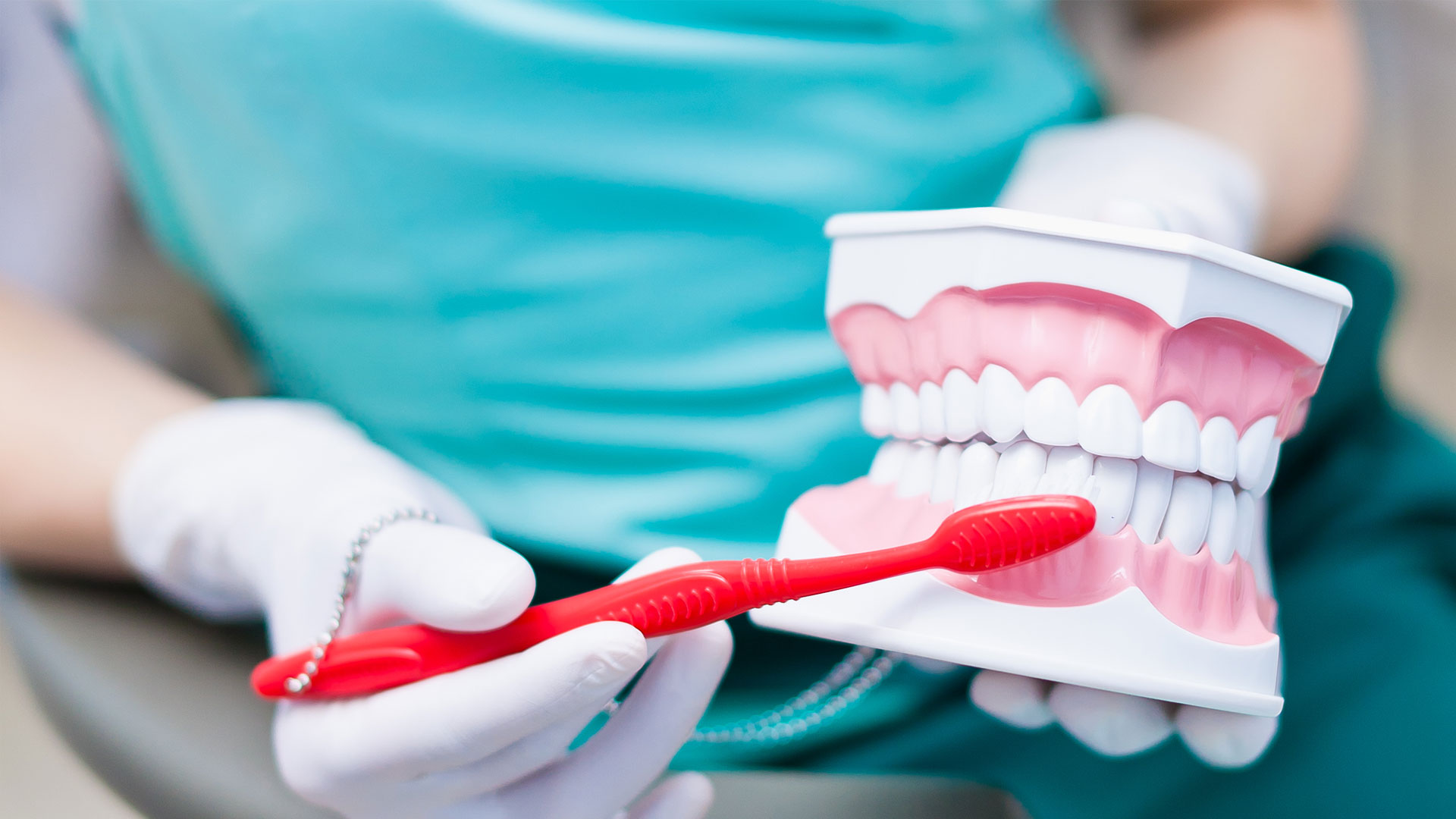
Oral Hygiene Education in Brentwood, CA
Good oral hygiene is one of the most important parts of maintaining healthy teeth and gums. Brushing and cleaning between your teeth every day can help control plaque, while regular dental visits allow your dental team to monitor your oral health and provide professional preventive care.
At Marsh Creek Dental, we provide oral hygiene education in Brentwood, CA to help patients understand how to care for their teeth and gums between dental visits.
Whether you are trying to improve your brushing technique, prevent gum disease, help your child develop better dental habits, or maintain your oral health after dental treatment, personalized oral hygiene guidance can make a meaningful difference.
What Is Oral Hygiene?
Oral hygiene refers to the daily practices used to keep the teeth, gums, and mouth clean and healthy.
A comprehensive oral hygiene routine generally includes:
- Brushing your teeth regularly
- Cleaning between your teeth
- Maintaining regular dental appointments
- Limiting frequent sugary foods and drinks
- Drinking water regularly
- Monitoring changes in your teeth and gums
- Following individualized recommendations from your dental provider
Why Is Oral Hygiene Important?
Plaque develops naturally on the teeth throughout the day. It contains bacteria that can contribute to tooth decay and gum inflammation when it is not adequately removed.
If plaque remains on the teeth, it can eventually harden into tartar. Tartar is more difficult to remove at home and generally requires professional dental cleaning.
Consistent oral hygiene combined with professional dental care can help reduce the accumulation of plaque and support long-term oral health.
How to Brush Your Teeth Properly
Brushing is one of the most important parts of an effective oral hygiene routine.
When brushing, pay attention to:
- The front surfaces of your teeth
- The back surfaces
- The chewing surfaces
- The gumline
- Areas around dental restorations
Use a toothbrush and toothpaste appropriate for your individual needs. Brushing too aggressively is not necessarily better and may irritate the gums.
A dental professional can provide personalized guidance if you are unsure about your brushing technique.
Cleaning Between Your Teeth
A toothbrush cannot effectively clean every surface between your teeth.
Cleaning between teeth can help remove food particles and plaque from areas that are difficult to reach with brushing alone.
Depending on your individual needs, your dental provider may recommend floss or another type of interdental cleaning method.
Patients with crowded teeth, dental restorations, orthodontic appliances, or gum disease may require specific recommendations for cleaning between teeth.
Oral Hygiene and Gum Disease
Poor plaque control can contribute to inflammation around the gums.
Early signs of gum problems may include:
- Bleeding during brushing or flossing
- Red gums
- Swollen gums
- Gum tenderness
- Persistent bad breath
- Gum recession
- Changes around the teeth
If you experience these symptoms, improving your oral hygiene is important, but you should also consider a professional dental evaluation.
Marsh Creek Dental provides gum disease treatment in Brentwood for patients who require evaluation and treatment for gum-related concerns.
Oral Hygiene and Professional Dental Cleaning
Daily oral hygiene and professional dental cleaning work together.
Brushing and cleaning between your teeth help control plaque between dental appointments. Professional cleaning can remove tartar and buildup that cannot be effectively removed with ordinary brushing.
Our routine dental cleaning services can help maintain your oral health and provide an opportunity for your dental team to monitor your teeth and gums.
The recommended frequency of professional cleanings can vary depending on your oral health and individual risk factors.
Oral Hygiene and Bad Breath
Persistent bad breath can sometimes be associated with oral hygiene problems.
Bacteria, plaque buildup, gum disease, food particles, dry mouth, and other conditions may contribute to unpleasant breath.
Improving brushing and cleaning between your teeth may help when poor oral hygiene is a contributing factor.
If bad breath continues despite good oral hygiene, professional evaluation may be appropriate.
Learn more about our bad breath treatment services in Brentwood.
Oral Hygiene for Children
Children should begin developing good oral hygiene habits early.
Parents can help younger children by supervising brushing and teaching them why dental care is important.
Children can learn:
- How to brush effectively
- Why brushing should be done consistently
- How to clean between teeth when appropriate
- Why frequent sugary snacks can increase cavity risk
- Why regular dental visits matter
- How to protect their teeth during sports
Our pediatric dental services can support children’s oral health through preventive care and age-appropriate dental guidance.
The goal is not simply to teach children how to brush. It is to help them develop habits that can continue into adolescence and adulthood.
Dental Sealants and Oral Hygiene
Dental sealants may provide additional protection for certain chewing surfaces of the back teeth.
Molars can have grooves and pits that are difficult to clean thoroughly. Food particles and bacteria may become trapped in these areas.
Our dental sealant services can help determine whether sealants may be appropriate for your child.
Sealants do not replace brushing, cleaning between teeth, professional cleanings, or regular dental examinations. They are one component of a broader preventive dental strategy.
Oral Hygiene During Orthodontic Treatment
Patients wearing orthodontic appliances may need to pay particular attention to oral hygiene.
Brackets, wires, aligners, and other orthodontic appliances can create additional areas where plaque may accumulate.
Patients undergoing orthodontic treatment should follow the cleaning instructions provided by their dental or orthodontic provider.
Extra attention may be needed around:
- Brackets
- Wires
- Attachments
- Areas between teeth
- Gumline
- Hard-to-reach surfaces
A consistent oral hygiene routine can help maintain healthier teeth and gums during orthodontic treatment.
Oral Hygiene Around Dental Crowns and Bridges
Dental restorations can restore the function and appearance of damaged or missing teeth, but they still require proper care.
Patients with crowns or bridges should clean around and between their restorations according to their dental provider’s recommendations.
Marsh Creek Dental provides dental crowns and bridges as part of comprehensive restorative dental care.
Good oral hygiene around dental restorations can help maintain the surrounding teeth and gums.
Oral Hygiene and Dental Fillings
Patients with dental fillings should continue brushing and cleaning between their teeth regularly.
A filling repairs a tooth affected by decay or damage, but it does not eliminate the need for ongoing preventive care.
Our dental filling services are available for patients who require treatment for cavities or certain types of tooth damage.
Maintaining good oral hygiene after restorative treatment is important for protecting your remaining natural tooth structure.
Oral Hygiene and Dental X-Rays
Dental examinations may sometimes include X-rays to provide information that cannot be obtained through a visual examination alone.
Dental X-rays may help identify certain areas of decay, changes around tooth roots, bone-related concerns, or other conditions requiring additional evaluation.
Learn more about our dental X-ray services.
Your dental provider can determine whether dental imaging is appropriate based on your dental history, symptoms, clinical findings, and individual needs.
Common Oral Hygiene Mistakes
Even people who brush every day can develop oral hygiene problems if certain areas are consistently missed.
Common mistakes may include:
Brushing Too Quickly
Rushing through brushing can result in missed surfaces.
Ignoring the Gumline
Plaque can accumulate around the gumline, making this an important area to clean carefully.
Not Cleaning Between Teeth
Brushing alone does not clean every surface between teeth.
Brushing Too Aggressively
Using excessive pressure can irritate the gums. Proper technique is generally more important than aggressive brushing.
Skipping Dental Visits
Home care is essential, but professional dental examinations and cleanings are also important.
Ignoring Changes in the Mouth
Persistent bleeding, swelling, pain, sensitivity, or other changes should not simply be ignored.
How Diet Affects Oral Health
Diet can influence dental health.
Frequent consumption of sugary foods and drinks can increase the risk of tooth decay because oral bacteria can use sugars to produce acids that affect tooth enamel.
Patients can support oral health by:
- Limiting frequent sugary snacks
- Choosing balanced meals
- Drinking water
- Avoiding prolonged exposure to sugary beverages
- Following individualized nutritional recommendations
Good dietary habits should complement, not replace, regular brushing and professional dental care.
Oral Hygiene for Adults
Adults can face changing oral health needs throughout life.
Factors such as aging, medications, dry mouth, dental restorations, gum disease, orthodontic treatment, and changes in daily routines can affect oral hygiene.
Regular dental visits can help identify changes and provide updated recommendations.
Our general dentistry services include preventive and diagnostic care designed to support long-term oral health.
Oral Hygiene for the Whole Family
Families can benefit from establishing consistent oral hygiene routines together.
Parents can encourage children by making brushing part of the daily family schedule and by demonstrating good habits themselves.
Regular dental appointments can also make preventive care easier to manage.
Our family dentistry services provide dental care for patients at different stages of life.
When Should You See a Dentist?
Good oral hygiene does not eliminate the need for professional dental care.
Schedule a dental appointment if you experience:
- Persistent bleeding gums
- Swollen gums
- Persistent bad breath
- Tooth sensitivity
- Tooth pain
- Visible cavities
- Significant plaque or tartar
- A chipped or broken tooth
- A loose tooth
- Changes in your bite
If you experience severe pain, significant swelling, dental trauma, or another urgent dental problem, you may need emergency dental care.
Visit our emergency dental services page for more information.
Build a Better Oral Hygiene Routine
A successful oral hygiene routine does not need to be complicated.
A practical daily routine can include:
Morning
- Brush your teeth
- Clean between teeth as recommended
- Drink water throughout the day
During the day
- Limit frequent sugary snacks and drinks
- Drink water
- Pay attention to unusual dental symptoms
Evening
- Brush your teeth
- Clean between teeth
- Follow any additional instructions from your dental provider
Regularly
- Attend professional dental cleanings
- Have routine dental examinations
- Follow recommendations for preventive or restorative treatment
Consistency is more important than trying to create a complicated routine that is difficult to maintain.


Most popular and trending Dental Hygiene Questions
Oral hygiene education helps you understand how to properly care for your teeth and gums between dental visits. Learning effective brushing, flossing, and other preventive habits can help reduce the risk of cavities, gum disease, and persistent bad breath.
Children can also benefit from age-appropriate oral hygiene guidance as they develop lifelong dental care habits.
The basics include brushing twice a day with fluoride toothpaste, cleaning between your teeth daily, maintaining a balanced diet, and limiting frequent sugary snacks and drinks.
Regular dental examinations and gum disease treatment when needed can also help maintain healthy gums and identify problems before they become more advanced.
Start with a consistent daily routine: brush twice a day, clean between your teeth daily, use fluoride toothpaste, and follow the recommendations provided by your dentist.
Professional dental care is also important. If you are experiencing bleeding gums, tooth sensitivity, persistent bad breath, or difficulty keeping your teeth clean, schedule an appointment so your dental team can evaluate your oral health and provide personalized guidance.