
Gum Disease Treatment in Brentwood, CA
Healthy gums are an essential part of a healthy smile. Gum disease can develop when plaque and bacteria accumulate around the teeth and gumline, causing inflammation and other changes in the tissues supporting the teeth.
At Marsh Creek Dental, we provide gum disease evaluation and treatment in Brentwood, CA to help patients address gum-related concerns and maintain better long-term oral health.
If you notice bleeding gums, swelling, persistent bad breath, gum tenderness, or other changes in your mouth, professional evaluation can help determine the possible cause and appropriate treatment.
What is Gum Disease?
Gum disease is an inflammatory condition affecting the tissues around the teeth. It can range from early gum inflammation to more advanced periodontal disease.
Plaque is a primary contributor. Plaque is a sticky film containing bacteria that forms naturally on teeth. When plaque is not adequately removed, it can contribute to irritation and inflammation around the gums.
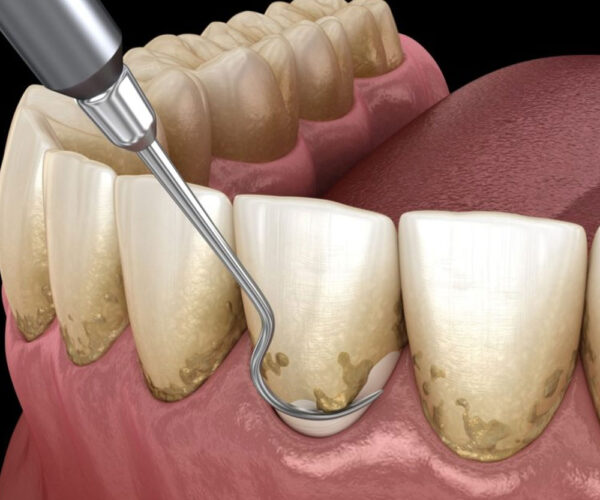
Over time, plaque can harden into tartar. Tartar cannot usually be removed effectively with ordinary brushing and requires professional dental cleaning.
Maintaining good oral hygiene and receiving regular professional dental care can help reduce the risk of gum problems.
Signs You May Need Gum Disease Treatment
Gum disease does not always cause significant discomfort in its early stages. This is one reason regular dental examinations are important.
Possible warning signs include:
- Bleeding when brushing or flossing
- Red or swollen gums
- Tender or irritated gums
- Persistent bad breath
- Gum recession
- Sensitive teeth
- Changes in the way your teeth fit together
- Loose teeth
- Changes around existing dental restorations
- Persistent plaque or tartar buildup
Bleeding Gums Are Not Something to Ignore
Occasional bleeding can have different causes, including brushing too aggressively or changes in your oral hygiene routine. However, persistent or recurring bleeding may be associated with gum inflammation.
If your gums regularly bleed while brushing or flossing, it is worth discussing the problem with a dental professional.
A dental examination can help evaluate the condition of your gums and determine whether additional treatment is appropriate.
Common Causes and Risk Factors for Gum Disease
Several factors can contribute to gum problems.
Plaque Buildup
Plaque that remains on teeth can irritate the gumline and contribute to inflammation.
Tartar
When plaque hardens into tartar, it becomes more difficult to remove through normal brushing and flossing.
Inconsistent Oral Hygiene
Inadequate brushing or cleaning between teeth can allow plaque to accumulate.
Smoking and Tobacco Use
Tobacco use can negatively affect oral health and may increase the risk of gum problems.
Certain Health Conditions
Some health conditions and medications can affect oral health or make gum problems more likely.
Dental Crowding or Difficult-to-Clean Areas
Teeth that are difficult to clean may allow plaque to accumulate in areas that are harder to reach.
Your dental provider can consider your individual circumstances when evaluating your gum health.
Professional Dental Cleaning and Gum Health
Professional dental cleaning is an important part of maintaining healthy gums.
Regular cleaning can remove plaque and tartar buildup that cannot be effectively eliminated with ordinary brushing at home.
Our routine dental cleaning services can help support preventive oral health and provide an opportunity to monitor your teeth and gums.
For patients with gum-related concerns, the appropriate cleaning and treatment schedule may differ from that of patients with otherwise healthy gums.
Gum Disease and Oral Hygiene
Daily oral hygiene is an important part of managing and preventing gum problems.
A good home-care routine generally includes:
- Brushing teeth regularly
- Cleaning between teeth
- Paying attention to the gumline
- Replacing worn toothbrushes or brush heads
- Limiting frequent sugary foods and drinks
- Maintaining regular dental appointments
Our oral hygiene education services can provide additional guidance on maintaining your teeth and gums between professional dental visits.
The best routine can vary from patient to patient, particularly for people with existing gum disease, dental restorations, orthodontic appliances, or other oral health concerns.
Can Gum Disease Cause Bad Breath?
Yes, oral conditions can contribute to persistent bad breath.
Bacteria associated with plaque buildup and gum inflammation may contribute to unpleasant odors. However, bad breath can have multiple causes, so persistent symptoms should be evaluated rather than automatically attributed to gum disease.
If you are experiencing ongoing bad breath, our bad breath treatment services can help evaluate possible oral causes.
Improving oral hygiene and addressing gum health can be an important part of managing certain cases of persistent bad breath.
Dental X-Rays and Gum Disease Evaluation
A visual examination provides important information about the condition of your gums and teeth, but additional diagnostic information may sometimes be needed.
Dental X-rays can help your dental team evaluate areas that are not visible during a routine visual examination, including structures around the roots of teeth and supporting bone.
Our dental X-ray services provide more information about diagnostic dental imaging.
Whether X-rays are appropriate depends on the patient’s symptoms, dental history, clinical findings, and individual needs.
What Happens During a Gum Disease Evaluation?
A gum health evaluation may involve several components.
Review of Your Dental History
Your dental provider may ask about previous dental treatment, symptoms, oral hygiene habits, and other factors that may affect gum health.
Examination of the Gums
The gums can be examined for signs such as redness, swelling, bleeding, recession, or other changes.
Evaluation of Plaque and Tartar
The amount and location of plaque and tartar can provide useful information about oral hygiene and gum health.
Assessment of Supporting Structures
When appropriate, additional diagnostic evaluation may be used to assess the tissues and structures supporting the teeth.
Personalized Treatment Recommendations
Based on the findings, your dental provider can recommend an appropriate approach to treatment and ongoing maintenance.
Treatment for Gum Disease in Brentwood
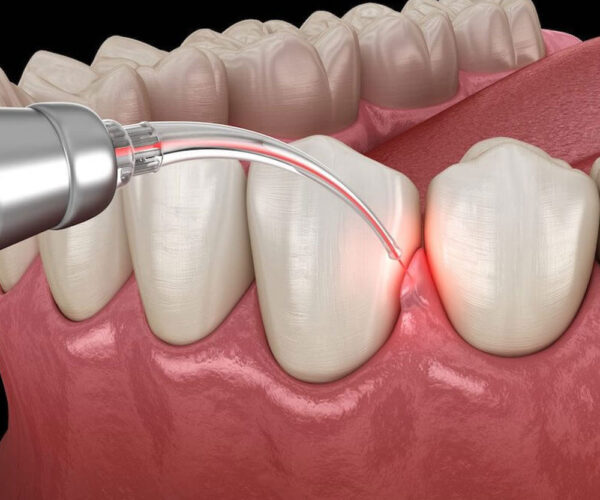
Treatment depends on the type and severity of the gum problem.
For some patients, improving daily oral hygiene and receiving professional dental cleaning may be an important part of care.
Patients with more significant gum problems may require additional treatment or monitoring.
Your dental provider can explain the recommended approach based on your individual condition.
The goal is to control inflammation, improve oral hygiene, protect the supporting structures of the teeth, and maintain oral health over time.
Why Early Gum Care Matters
Early attention to gum problems can help prevent minor concerns from becoming more complicated.
For example, a patient who notices recurring bleeding gums may initially have relatively mild inflammation. If the problem is ignored, persistent inflammation and plaque buildup may contribute to more advanced periodontal problems.
Regular dental visits provide opportunities to identify changes and discuss appropriate treatment before problems become more difficult to manage.
Gum Disease and Tooth Loss
Advanced gum disease can affect the tissues and bone that support the teeth.
When the supporting structures of teeth are significantly affected, teeth may become loose or more difficult to maintain.
This does not mean that every patient with gum disease will experience tooth loss. Early evaluation and appropriate care are important for maintaining healthy supporting tissues.
Preventive dental care, professional cleanings, good oral hygiene, and appropriate treatment can all play a role in protecting long-term oral health.
Gum Disease and Family Dental Care
Gum health is important for patients of all ages.
Adults may be more likely to experience periodontal concerns, while children and teenagers can benefit from learning good oral hygiene habits early.
Our family dentistry services provide comprehensive dental care for different members of the household.
For children, preventive dental care can include professional cleanings, oral hygiene education, and age-appropriate preventive treatments.
Learn more about our pediatric dental services.
How to Reduce Your Risk of Gum Disease
Good oral hygiene and regular dental care can help support healthy gums.
Consider the following habits:
Brush Regularly
Brush all tooth surfaces and pay attention to the gumline.
Clean Between Your Teeth
Brushing cannot effectively clean every surface between the teeth. Cleaning between teeth can help remove plaque from these areas.
Maintain Regular Dental Cleanings
Professional cleanings can remove tartar and help monitor your gum health.
Do Not Ignore Bleeding or Swelling
Persistent symptoms should be evaluated rather than ignored.
Follow Individualized Recommendations
Patients with gum disease or other oral health conditions may need a customized maintenance schedule.
Gum Disease and Cosmetic Dentistry
Healthy gums provide an important foundation for cosmetic dental treatment.
Patients considering cosmetic procedures such as teeth whitening or veneers should maintain good oral health and address active dental problems when appropriate.
Marsh Creek Dental offers professional teeth whitening in Brentwood and dental veneers in Brentwood.
A dental evaluation can help determine whether cosmetic treatment is appropriate based on the health of your teeth and gums.
When Should You Contact a Dentist?
Schedule a dental evaluation if you experience:
- Persistent gum bleeding
- Swollen gums
- Gum tenderness
- Persistent bad breath
- Receding gums
- Loose teeth
- Tooth sensitivity
- Changes in your bite
- Significant plaque or tartar buildup
If you also have severe pain, facial swelling, uncontrolled bleeding, or a serious dental injury, you may need urgent dental care.
Visit our emergency dental services page for more information.
Most popular and trending Gum Disease Questions
Treatment depends on whether you have gingivitis or periodontitis and how advanced the condition is. Improving daily brushing and flossing, professional dental cleanings, and periodontal treatment when necessary can help manage gum disease.
Your dentist can evaluate your gums and recommend a personalized treatment plan rather than relying on one treatment for every patient.
Gingivitis can often be improved or reversed with appropriate oral hygiene and professional care. Periodontitis requires ongoing management because damage to the supporting tissues and bone may not be completely reversible.
However, appropriate periodontal treatment can help control infection, reduce inflammation, protect remaining support, and maintain your oral health.
Gum disease can often be managed with professional treatment and consistent oral care. However, untreated periodontal disease can lead to progressive damage around the teeth.
Because oral and overall health are connected, maintaining healthy gums is an important part of your overall healthcare. If you have signs of gum disease, scheduling a dental evaluation can help you understand your condition and treatment options.