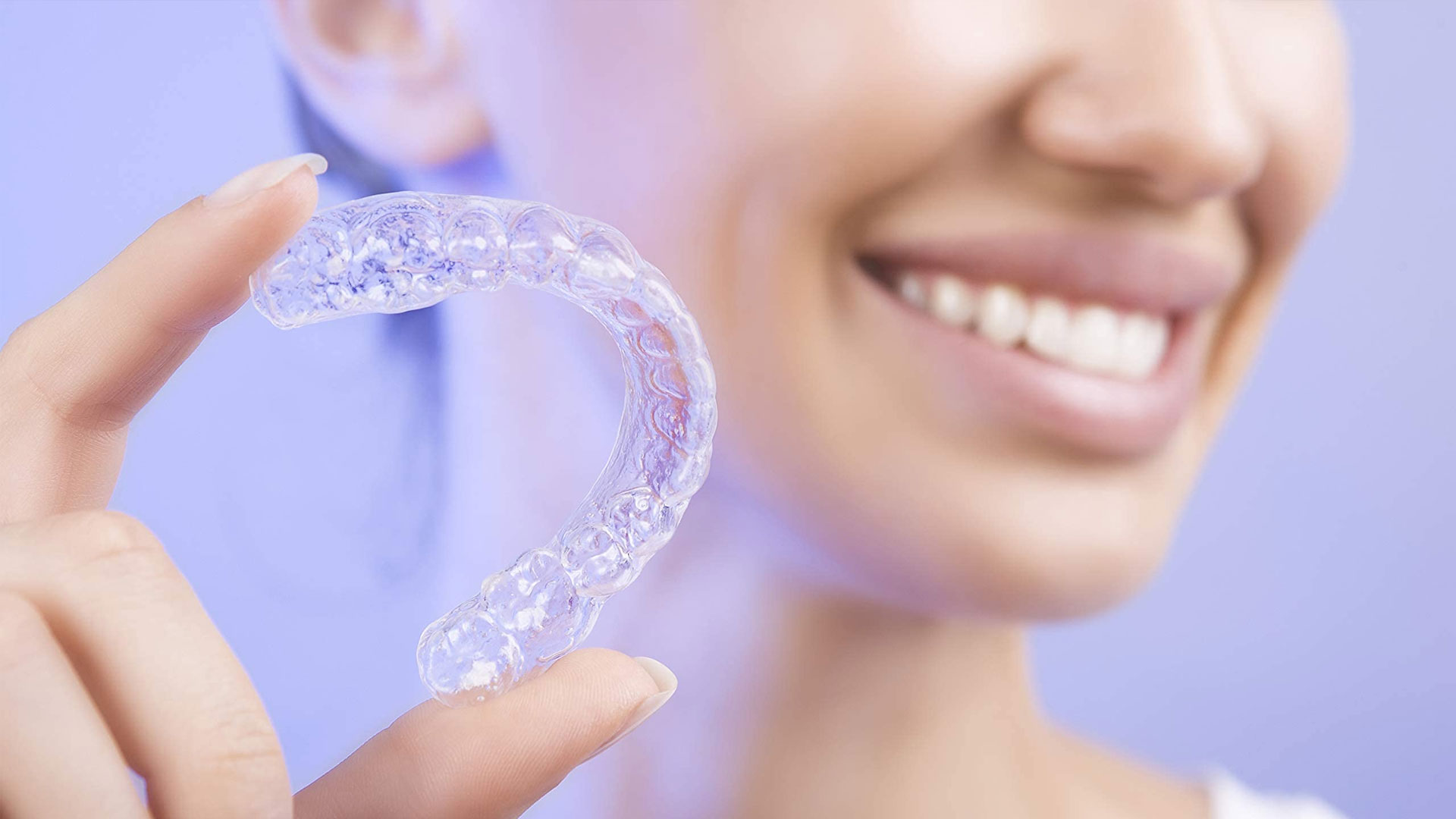
Mouth Guards in Brentwood, CA
Protecting your teeth is important whether you play sports, grind your teeth at night, or need additional protection for your smile. At Marsh Creek Dental, we provide guidance on mouth guards in Brentwood, CA to help protect teeth from injury, excessive pressure, and damage.
A properly selected mouth guard can be an important part of preventive dental care. Depending on your needs, a mouth guard may help protect your teeth during sports activities or reduce the effects of nighttime teeth grinding and clenching.
If you are looking for a dentist in Brentwood who can help determine whether a mouth guard is right for you, Marsh Creek Dental can evaluate your teeth, bite, and oral health and recommend an appropriate solution.
What Is a Mouth Guard?
A mouth guard is a protective dental appliance worn over the teeth. It creates a layer of protection between the upper and lower teeth and can help reduce the risk of dental injury or excessive tooth-to-tooth contact.
Mouth guards may be recommended for several different situations, including:
- Sports and athletic activities
- Teeth grinding or clenching
- Nighttime jaw pressure
- Protection of teeth that have been restored
- Certain situations where additional dental protection is appropriate
- Children’s sports and recreational activities
The right type of mouth guard depends on your individual dental needs, activity level, bite, and reason for wearing one.
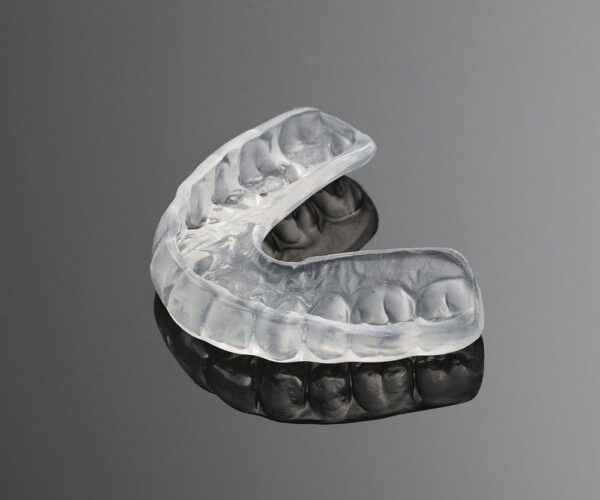

Sports Mouth Guards in Brentwood, CA
Sports-related dental injuries can happen during contact sports as well as recreational activities. A mouth guard can provide an additional layer of protection for the teeth and surrounding oral structures.
A sports mouth guard may be especially useful for people who participate in activities such as:
- Football
- Basketball
- Baseball
- Soccer
- Hockey
- Martial arts
- Wrestling
- Skateboarding
- Cycling
- Other recreational sports
A mouth guard does not eliminate the possibility of an injury, but appropriate dental protection can help reduce the risk of certain types of tooth damage.
If you or your child participates in sports, talk with your dentist about whether a mouth guard would be appropriate.
For children, mouth guards can be incorporated into a broader preventive dental plan that includes regular examinations, professional cleanings, and pediatric dental care.
Custom Mouth Guards vs. Store-Bought Mouth Guards
Not every mouth guard provides the same level of fit or comfort.
Store-bought mouth guards are available in many retail locations and may provide basic protection. However, they may not fit every person’s teeth comfortably or securely.
A dentist can evaluate your mouth and help determine which type of protection is appropriate for your needs.
A properly fitting mouth guard may provide benefits such as:
- A more secure fit
- Greater comfort
- Easier breathing and speaking
- Better retention during activity
- Appropriate coverage of the teeth
- Less interference with normal activities
If you frequently participate in sports or have specific dental concerns, discuss your options with your dentist before choosing a mouth guard.
Night Guards for Teeth Grinding
Mouth guards can also be used at night for people who grind or clench their teeth.
Teeth grinding, also called bruxism, can place significant pressure on the teeth. Over time, repeated grinding may contribute to tooth wear, sensitivity, chipped teeth, jaw discomfort, or damage to existing dental restorations.
A night guard may help create a protective barrier between the upper and lower teeth.
If you notice symptoms such as:
- Waking up with jaw soreness
- Morning headaches
- Worn or flattened teeth
- Tooth sensitivity
- Chipped or cracked teeth
- Jaw tension
- Frequent nighttime clenching
- A partner noticing that you grind your teeth
talk with your dentist about whether a night guard may be appropriate.
A dental evaluation can also help identify whether another dental problem may be contributing to your symptoms.
Mouth Guards and Dental Crowns or Bridges
Patients with dental restorations may have additional reasons to consider protecting their teeth.
If you have dental crowns or bridges and regularly grind or clench your teeth, excessive pressure may contribute to wear or damage over time. Your dentist can evaluate your bite and restorations and determine whether additional protection is appropriate.
Learn more about restorative treatment at dental crowns and bridges in Brentwood, CA.
A mouth guard is not a replacement for appropriate dental treatment, but it may be one part of an overall strategy for protecting your teeth.
Mouth Guards for Children
Children who participate in sports may benefit from appropriate dental protection.
Because children’s teeth and jaws are still developing, it is important to choose a mouth guard that is appropriate for their age, dental development, and activity.
Parents should consider discussing mouth guards with a dentist if their child:
- Participates in contact sports
- Plays recreational sports
- Has orthodontic appliances
- Has previously experienced a dental injury
- Grinds or clenches their teeth
- Has specific dental restorations or concerns
Regular dental visits also allow the dentist to monitor changes as a child’s teeth develop.
For comprehensive children’s care, visit our pediatric dentist in Brentwood.
Mouth Guards and Preventive Dental Care
Mouth guards are one part of a larger preventive dental strategy.
Protective appliances work best when combined with good daily oral hygiene and regular dental visits. Professional examinations allow your dentist to identify problems early and monitor the condition of your teeth and gums.
Regular teeth cleaning in Brentwood, CA can help remove plaque and tartar that cannot always be eliminated with brushing and flossing alone.
Daily oral care is also essential. Our oral hygiene education can help patients understand effective brushing, flossing, and other habits that support long-term oral health.
Can a Mouth Guard Prevent Dental Injuries?
A mouth guard can provide an additional layer of protection, particularly during sports and other activities where the teeth may be exposed to impact.
However, no mouth guard can guarantee that a dental injury will not occur.
The effectiveness of a mouth guard depends on factors such as:
- Proper fit
- Appropriate design
- Consistent use
- The type of activity
- The force and direction of impact
- Proper care and replacement
For this reason, it is important to choose an appropriate mouth guard and replace it when it becomes damaged or no longer fits properly.
When Should You Replace a Mouth Guard?
Mouth guards do not last forever. They may need to be replaced when they become worn, damaged, or uncomfortable.
Signs that a mouth guard may need replacement include:
- Visible cracks or tears
- Significant wear
- Changes in fit
- Persistent discomfort
- Difficulty keeping the appliance in place
- Changes in your teeth or bite
- Damage caused by chewing
Children may need replacement mouth guards more frequently because their teeth and jaws are continually developing.
If you are unsure whether your current mouth guard still provides an appropriate fit, bring it to your dental appointment for evaluation.
Mouth Guards and Dental Emergencies
Even with appropriate protection, dental injuries can sometimes occur.
A broken, chipped, displaced, or knocked-out tooth may require prompt dental evaluation. Severe pain, significant bleeding, swelling, or trauma should also be evaluated as soon as possible.
If you experience a sports-related dental injury, learn more about dental emergencies in Brentwood, CA and contact Marsh Creek Dental for guidance.
Prompt treatment can be important when a tooth has suffered significant trauma.
Mouth Guards and Your Overall Dental Health
A mouth guard should be considered as part of your overall dental care rather than as an isolated treatment.
Your dentist may evaluate:
- Tooth condition
- Gum health
- Bite alignment
- Existing restorations
- Tooth wear
- Signs of grinding
- Previous dental injuries
- Your sports or activity level
Regular dental examinations can help identify problems before they become more serious.
For comprehensive preventive and restorative care, explore our general dentistry services in Brentwood.
How to Care for Your Mouth Guard
Proper care can help keep your mouth guard clean and in good condition.
General care may include:
- Rinse the mouth guard after use.
- Clean it according to your dentist’s instructions.
- Allow it to dry before storing it.
- Store it in an appropriate protective container.
- Keep it away from excessive heat.
- Avoid chewing on the appliance.
- Inspect it regularly for damage.
- Bring it to dental appointments so its condition can be evaluated.
Following appropriate care instructions can help maintain the condition and fit of your mouth guard.
What Happens During a Mouth Guard Evaluation?
A mouth guard evaluation typically begins with an assessment of your teeth and oral health.
Your dentist may consider:
- The condition of your teeth
- Your bite
- Existing dental restorations
- Signs of tooth wear
- Jaw discomfort
- Your reason for needing a mouth guard
- Sports or activity requirements
- Your age and dental development
Based on the evaluation, your dentist can discuss appropriate options and explain how to use and care for the appliance.
If diagnostic imaging is appropriate for your dental situation, dental X-rays in Brentwood may also be used as part of an overall dental evaluation.
Why Choose Marsh Creek Dental for Mouth Guards?
Choosing the right dental practice means finding a team that considers your overall oral health rather than focusing only on a single appliance.
At Marsh Creek Dental, mouth guard recommendations can be considered alongside preventive, restorative, family, pediatric, and emergency dental care.
Our dental services include:
- Preventive dental care
- Routine dental cleanings
- Dental X-rays
- Oral hygiene education
- Pediatric dental care
- Dental fillings
- Dental crowns and bridges
- Root canal treatment
- Dental emergency care
- Cosmetic dental services
You can explore all available dental services in Brentwood, CA to learn more about your options.
When Should You Talk to a Dentist About a Mouth Guard?
Consider speaking with a dentist if:
- You play contact or high-impact sports.
- You have experienced a previous dental injury.
- You grind or clench your teeth.
- You wake up with jaw discomfort.
- Your teeth show signs of excessive wear.
- You have dental crowns or bridges and experience significant grinding.
- Your current mouth guard feels uncomfortable.
- Your mouth guard is damaged.
- Your child’s mouth guard no longer fits properly.
A dental evaluation can help determine whether a mouth guard is appropriate for your specific situation.
Most Popular and Trending Dental Mouth Guard Questions
Wearing a custom-fitted mouth guard may protect your teeth from damage and relieve stress on your jaw muscles as you sleep. Durability: Opting for a custom mouthguard is smart due to its long-lasting nature and exceptional worth. Despite frequent use, it remains resilient, retaining its shape and protective properties.
In summary, both night guards and mouthguards are essential dental appliances that serve different purposes. Night guards protect teeth from grinding or clenching during sleep, while mouthguards protect the teeth during high-impact sports activities.
As with most other medical devices, mouth guards do not last forever. This means that you will have to replace your nightguard and get a new one at some point. This is more of an issue in children, as growing teeth will have their mouth shift and grow over time.