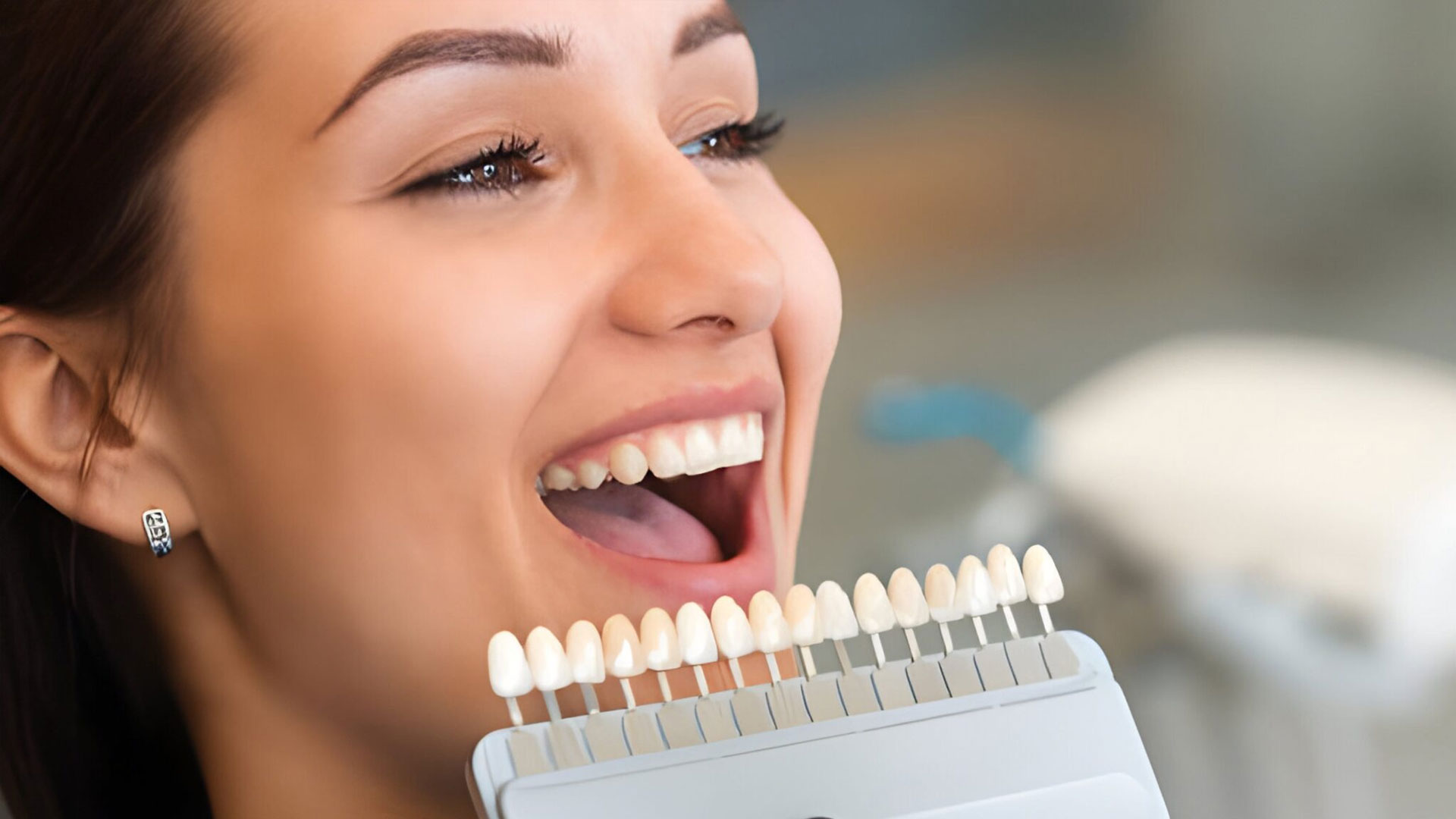
Marsh Creek Dental offers dental veneers in Brentwood, CA to improve the color, shape, and appearance of chipped, stained, or uneven teeth. Veneers are thin coverings placed over the visible surfaces of selected teeth. Dr. Kumar starts with an exam of your teeth and gums, discusses your goals, and explains whether veneers are a suitable option and what can realistically be achieved. Call (925) 516-2988 to schedule a consultation.
What Are Dental Veneers?
Dental veneers are thin coverings, commonly made of porcelain, that are bonded to the front of your teeth to improve their appearance. The result depends on the condition of your teeth, the type of veneer, and your cosmetic goals. Veneers are not appropriate for everyone, which is why an evaluation comes first.
Dental veneers are thin coverings designed to improve the visible appearance of selected teeth. Depending on the type of veneer and the condition of your teeth, veneers may be used to address several cosmetic concerns at the same time.
However, veneers are not appropriate for everyone. A dental evaluation is important before treatment so your dentist can assess the health of your teeth and gums, discuss your goals, and determine whether veneers are a suitable option.
What Are Dental Veneers?
Dental veneers are thin coverings placed over the visible surfaces of teeth to improve their appearance.
Veneers can be considered for teeth that have cosmetic concerns such as:
- Discoloration
- Staining
- Minor chips
- Uneven tooth shape
- Small gaps
- Irregular appearance
- Certain cosmetic imperfections
- Teeth that appear worn or disproportionate
The specific result depends on the condition of your teeth, the type of veneer selected, and your individual cosmetic goals.
A consultation allows your dentist to determine whether veneers are appropriate and explain what can realistically be achieved.
Veneers in Brentwood, CA
If you are searching for veneers in Brentwood, CA, the first step should be a comprehensive dental evaluation.
Cosmetic treatment should begin with healthy teeth and gums whenever possible.
During your consultation, your dentist may evaluate:
- Tooth structure
- Enamel condition
- Gum health
- Tooth alignment
- Bite
- Existing restorations
- Tooth discoloration
- Previous dental treatment
- Your cosmetic goals
This evaluation helps determine whether veneers are appropriate or whether another treatment may better address your concerns.
Videos On Veneers
What Can Veneers Improve?
- Discoloration. Some stains do not respond fully to professional whitening, and veneers may be considered in those cases.
- Chips. Depending on the size and location of a chip, we may discuss veneers or another restorative or cosmetic option.
- Uneven shape or proportions. Veneers can sometimes improve teeth that look irregular or disproportionate.
- Small gaps. In selected cases, veneers can change the look of small spaces, though not every gap should be treated this way.
- Worn-looking teeth. We first determine why the teeth look worn and whether an underlying issue, such as grinding, needs attention.
Veneers can change how crooked teeth look in mild cases, but they do not move teeth the way orthodontic treatment does. If your teeth are significantly crowded or misaligned, Dr. Kumar may discuss other options.

Who Is a Good Candidate for Veneers?
Good candidates generally have healthy gums, enough natural tooth structure, no untreated significant decay or infection, a manageable bite, and realistic expectations. If you have other dental problems, we may recommend treating them first:
- Gum problems: gum disease treatment in Brentwood, CA
- Cavities: dental fillings in Brentwood, CA
- Weakened or damaged teeth: dental crowns and bridges in Brentwood, CA
Veneers are a cosmetic treatment, not a substitute for treating an unhealthy tooth. Treatment is chosen based on the individual tooth, not only how it looks.
Your Veneer Consultation
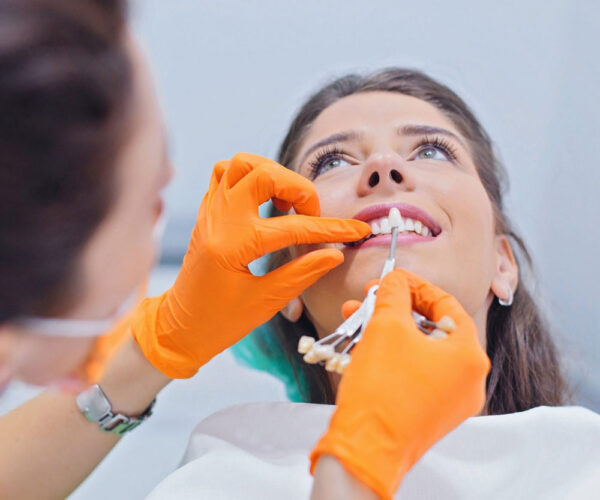
At your consultation, Dr. Kumar examines your teeth and gums, reviews your dental history, checks your bite, notes any existing restorations, and discusses the concerns you want to improve. He explains your options, the limitations, and the expected results, and creates a treatment plan if veneers are suitable.
The Veneer Process
- Examination. We evaluate your oral health and discuss your goals.
- Treatment planning. We decide which teeth may benefit and discuss the expected result.
- Tooth preparation. Depending on the veneer type, some preparation of the tooth is needed. Traditional porcelain veneers usually involve removing a thin layer of enamel, and we explain the amount before treatment begins.
- Fabrication. Your veneers are made to fit your teeth.
- Placement. Each veneer is checked for appearance and fit before it is bonded.
- Final check. We review the restoration, your bite, and the overall result.
The timeline depends on the number of teeth treated, the veneer type, and your plan. Dr. Kumar will explain the number of appointments at your consultation. We recommend choosing treatment based on proper planning and healthy teeth rather than speed.
Veneers vs. Whitening, Crowns, and Bonding
- Whitening lightens the color of suitable natural teeth. It is often a better choice for surface staining or general discoloration.
- Veneers can change color, shape, and overall appearance, and are often considered when color is combined with other concerns such as minor chips or spacing.
- Crowns cover a larger part of the tooth and are used when a tooth needs more structural restoration, such as when it is weakened, fractured, or damaged by decay.
- Composite bonding uses tooth-colored material to treat minor chips, small gaps, or tooth shape.
The right option depends on the condition of your teeth, the result you want, and durability. If you already have crowns, fillings, or bridges on visible teeth, they will not change color the way natural teeth do, so cosmetic treatment should be planned carefully.
How Long Do Veneers Last?
Veneers are a long-term cosmetic treatment, but they are not necessarily permanent. They can wear, chip, or eventually need to be repaired or replaced. Lifespan depends on your oral hygiene, bite forces, teeth grinding, diet, habits, the material used, and regular dental visits.
Caring for Your Veneers
- Brush twice a day and clean between your teeth daily
- Keep your regular dental exams and professional cleanings
- Do not use your teeth to open packages, cut objects, crack shells, or chew ice
- Ask about a mouth guard for sports or a night guard if you grind or clench your teeth
Good oral hygiene matters because the natural tooth and gum tissue around a veneer remain important to your oral health. Our oral hygiene education in Brentwood, CA can help. If you often wake up with jaw soreness, headaches, tooth sensitivity, or signs of tooth wear, tell us during your consultation.
What If a Veneer Chips or Comes Loose?
Contact us for an evaluation. Do not try to permanently reattach a veneer yourself. Dr. Kumar will determine whether it can be repaired, needs replacement, or whether the tooth underneath needs treatment. If the tooth is painful or the damage came from an injury, see our emergency dental services in Brentwood.
Frequently Asked Questions
Do veneers require removing enamel?
Traditional porcelain veneers usually involve removing a thin layer of enamel, so the process is generally not reversible. The amount depends on the veneer type, and Dr. Kumar will explain what applies to you.
How long do veneers last?
They are a long-term treatment, but not permanent. With good care, veneers often last 10 years or more. Grinding, biting hard objects, and poor gum health can shorten their life.
Can veneers fix crooked teeth?
Veneers can improve the look of mildly irregular teeth, but they do not move teeth into a different position. Significant crowding or misalignment may be better addressed with orthodontic treatment.
Can veneers close gaps?
For certain small cosmetic gaps, yes. The cause and size of the gap matter, and some gaps are better treated another way. Dr. Kumar will evaluate yours.
Can veneers stain?
Porcelain resists staining well, but the natural teeth and edges around a veneer can still be affected by diet, tobacco, and plaque. Home care and regular cleanings help maintain your smile.
How many veneers do I need?
It depends on your goals and which teeth show when you smile. Some patients need one or two, while others consider more. Dr. Kumar can recommend what suits your smile.
Does insurance cover veneers?
Veneers are usually considered cosmetic, so dental plans often do not cover them. We can help you check your benefits.
Why Choose Marsh Creek Dental for Cosmetic Dental Care?
Cosmetic dentistry should begin with a careful evaluation of your oral health and your goals. We consider veneers as part of broader cosmetic, preventive, general, and restorative care. Explore all of our dental services in Brentwood, CA.
Schedule a Veneer Consultation
We are accepting new patients. Call (925) 516-2988 or request an appointment online. Visit us at 7760 Brentwood Blvd., Suite A, Brentwood, CA 94513, Monday to Friday, 9am to 5pm. We accept most dental insurance plans and are a preferred Delta Dental provider.
Related: Teeth Whitening · Crowns & Bridges · Mouth Guards
Most popular and trending Veneer Questions?
Veneers cover the front surface of a tooth, but they do not make the entire tooth immune to decay. The natural tooth structure around and behind a veneer can still develop cavities if oral hygiene is poor.
Brushing twice a day, cleaning between your teeth, attending regular dental cleanings, and following your dentist’s recommendations are important for maintaining the health of teeth with veneers.
Veneer treatment may require removing a small amount of enamel from the front surface of the tooth so the veneer can fit properly. The amount of preparation depends on the type of veneer and the individual tooth.
Once a veneer is properly bonded, the underlying tooth remains part of your natural smile and still requires regular dental care. Your dentist will explain the preparation process and discuss the benefits and limitations before treatment.
The lifespan of veneers varies depending on factors such as the material used, oral hygiene, bite forces, diet, and everyday habits. Over time, veneers may experience wear, chipping, changes at the edges, or other issues.
Regular dental examinations can help monitor the condition of your veneers. If a veneer becomes damaged or no longer meets your needs, your dentist can discuss repair or replacement options.