Routine Dental Cleaning in Brentwood, CA
Keeping your teeth clean is an important part of maintaining healthy teeth and gums. Even with consistent brushing and flossing at home, plaque and tartar can accumulate in areas that are difficult to reach. Professional dental cleanings help remove this buildup and give your dental team an opportunity to monitor your oral health.
At Marsh Creek Dental, we provide routine dental cleaning in Brentwood, CA, as part of preventive dental care for individuals and families. Regular dental visits can help you maintain good oral hygiene, identify potential concerns, and receive personalized recommendations for caring for your smile
Whether you are due for your next cleaning or want to improve your daily oral care routine, our team can help you understand the preventive dental services that may be appropriate for your needs.
What Is a Routine Dental Cleaning?
A routine dental cleaning is a preventive service designed to remove plaque, tartar, and certain surface deposits from the teeth. It can help maintain cleaner tooth surfaces and support gum health.
Plaque is a sticky film containing bacteria that develops naturally on teeth. Brushing and cleaning between teeth help control plaque, but some areas can be difficult to clean thoroughly.
When plaque remains on the teeth, it can harden into tartar. Unlike soft plaque, tartar generally cannot be removed effectively with a regular toothbrush and floss. Professional dental instruments are used to remove this buildup.
A routine dental cleaning may include:
Evaluating the teeth and gums
Removing plaque and tartar
Cleaning around the gumline
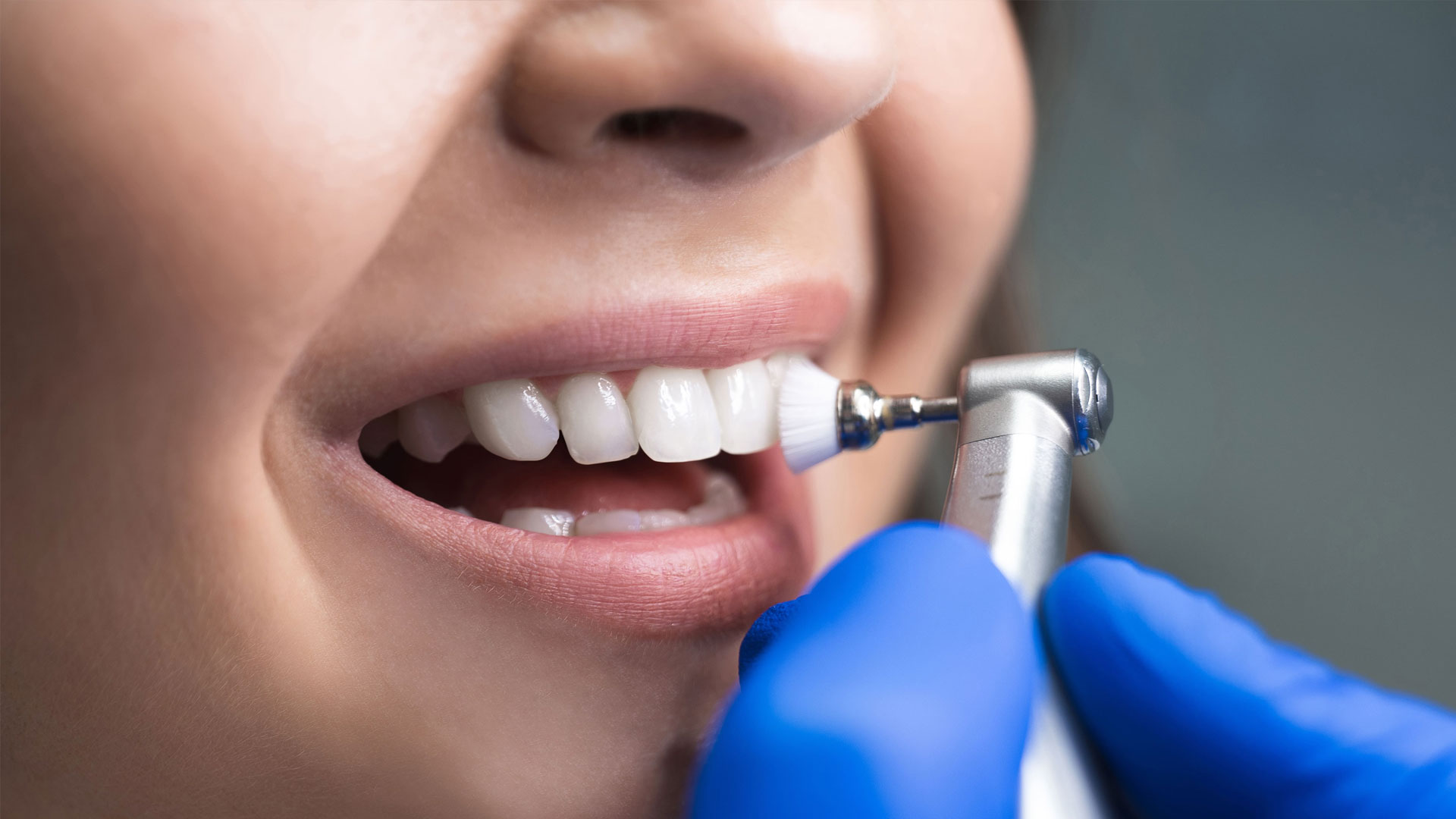
Polishing the teeth when appropriate
Reviewing oral hygiene habits
Providing personalized preventive care recommendations
Identifying concerns that may need further evaluation
The exact services provided during your appointment depend on your oral health and individual needs.
Benefits of Professional Teeth Cleaning in Brentwood, CA
Professional dental cleaning is an important part of preventive care. Combined with daily brushing, interdental cleaning, and regular dental examinations, it can help you maintain a healthier mouth.
Helps Remove Plaque and Tartar
Plaque can accumulate along the gumline and between teeth. When it hardens into tartar, professional removal is generally necessary.
A dental cleaning helps remove buildup from areas that may be difficult to maintain with home care alone.
Supports Healthy Gums
Plaque and tartar near the gumline can contribute to gum inflammation. Professional cleaning and effective daily oral hygiene can help control buildup and support gum health.
If you have persistent bleeding, swollen gums, gum recession, or other signs of periodontal problems, you may need a separate gum health evaluation.
Learn more about our gum disease treatment in Brentwood, CA.
Helps Identify Potential Dental Problems
A preventive appointment gives the dental team an opportunity to notice changes that may require additional attention, such as visible tooth decay, gum inflammation, or unusual sensitivity.
A cleaning does not replace a comprehensive dental examination when one is needed. Your provider can explain whether additional evaluation or diagnostic imaging is appropriate.
Helps Maintain Fresh Breath
Plaque, tartar, food debris, and gum problems can contribute to persistent bad breath. Removing accumulated deposits may help when oral buildup is a contributing factor.
However, bad breath can have several causes. If it continues despite good oral hygiene and professional cleaning, further evaluation may be needed.
Learn more about bad breath treatment in Brentwood, CA.
Reinforces Healthy Daily Habits
A cleaning appointment is also an opportunity to review brushing and interdental cleaning techniques. Small adjustments to your daily routine can help you manage plaque more effectively between visits.
Our oral hygiene education in Brentwood, CA page provides additional information about maintaining healthy teeth and gums.
What Happens During a Routine Dental Cleaning?
The steps in a dental cleaning appointment can vary depending on your oral health, the amount of buildup present, and whether additional services are needed.
1. Review of Your Oral Health
The dental team may ask about your dental history, current concerns, oral hygiene habits, and any changes you have noticed since your last visit.
If you experience sensitivity, bleeding gums, or other symptoms, let your dental provider know before the cleaning begins.
2. Evaluation of Your Teeth and Gums
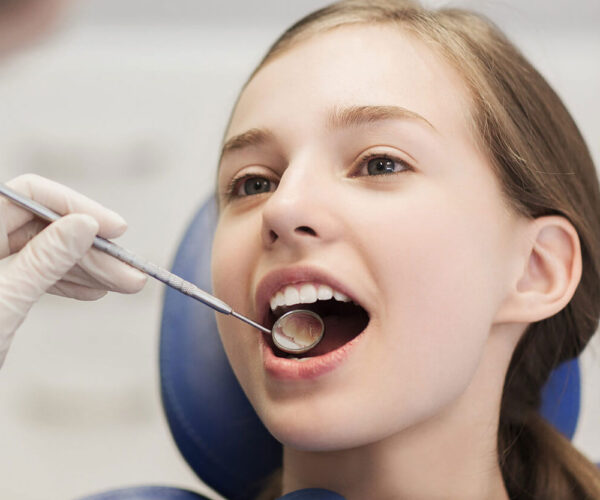
Your teeth and gums may be examined for visible plaque, tartar, inflammation, and other concerns.
If the evaluation reveals signs of a dental problem, your provider can explain whether additional assessment or treatment is recommended.
3. Professional Plaque and Tartar Removal
Dental professionals use appropriate instruments to remove plaque and tartar from the teeth and around the gumline.
Areas that are difficult to reach with a toothbrush may require particular attention.
4. Polishing When Appropriate
After deposits have been removed, the teeth may be polished to remove certain surface stains and leave the tooth surfaces feeling smoother.
Polishing is not the same as professional teeth whitening. Its purpose and results are different from a cosmetic whitening treatment.
5. Personalized Oral Hygiene Guidance
Your dental team may recommend changes to your brushing technique, flossing routine, or other home-care habits.
If additional treatment or follow-up is needed, your provider can discuss the options with you.
How Often Should You Get Your Teeth Cleaned?
There is no single cleaning schedule that is right for every patient.
Many people receive routine preventive cleanings at regular intervals, often around every six months. However, the appropriate frequency depends on individual factors, including:
Gum health
History of cavities
Plaque and tartar accumulation
Oral hygiene habits
Previous periodontal treatment
Existing dental conditions
Individual risk of future dental problems
Some patients may benefit from more frequent professional care, particularly if they have a history of gum disease or other oral health concerns.
Your dentist can recommend a schedule based on your examination, dental history, and individual risk factors.
Routine Cleaning vs. Deep Cleaning
Routine cleaning and deep cleaning are not the same procedure. Understanding the difference helps you know why a dental provider may recommend a particular type of care.
Routine Dental Cleaning
A routine cleaning is a preventive service focused on removing plaque, tartar, and surface deposits from the teeth and along the gumline.
It is generally appropriate for patients whose oral health can be maintained with routine preventive care.
Deep Cleaning: Scaling and Root Planing
A deep cleaning, also known as scaling and root planing, is a periodontal treatment that may be recommended when gum disease has created deeper spaces or pockets around the teeth.
The procedure involves removing plaque and tartar from below the gumline and cleaning the root surfaces as needed.
Deep cleaning is not automatically necessary for every patient. Your dental provider will evaluate your gum health and determine whether periodontal treatment is appropriate.
If you have bleeding gums, persistent gum inflammation, or signs of gum recession, learn more about gum disease treatment in Brentwood.
Can Dental Cleaning Whiten Your Teeth?
A professional cleaning may make your teeth look cleaner by removing certain surface deposits and stains. However, routine cleaning does not change the natural color of teeth in the same way as a whitening treatment.
If your goal is to lighten tooth color, professional teeth whitening may be a separate option to discuss with your dentist.
Explore our teeth whitening services in Brentwood, CA to learn more.
Your dentist can help determine whether a cleaning, whitening treatment, or another approach is suitable for your teeth and oral health.
Does Dental Cleaning Hurt?
Many patients tolerate routine dental cleaning comfortably. However, some people may experience temporary sensitivity or tenderness, particularly when there is significant tartar buildup, gum inflammation, exposed tooth roots, or existing periodontal disease.
If you have sensitive teeth or feel anxious about dental cleaning, let your dental team know. They can explain the process and discuss ways to make the appointment more comfortable.
Do not ignore persistent pain or recurring gum bleeding simply because you expect it to improve after cleaning. These symptoms may need further evaluation.
Dental Cleaning for Children
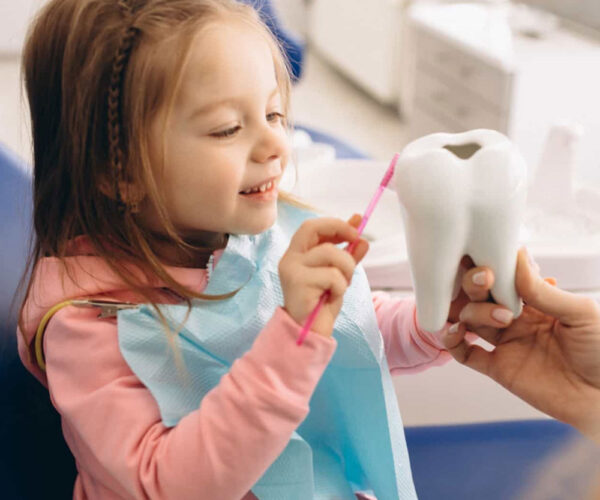
Children also benefit from preventive dental visits. Professional cleanings can help remove plaque and tartar while giving the dental team an opportunity to monitor developing teeth and gums.
During a child’s dental appointment, the team may also provide age-appropriate guidance about:
Brushing techniques
Cleaning between teeth
Fluoride toothpaste
Limiting frequent sugary snacks and drinks
Preventing cavities
Maintaining regular dental visits
Depending on the child’s development and cavity risk, additional preventive care such as dental sealants may be appropriate.
Learn more about our pediatric dentist services in Brentwood, CA and dental sealants in Brentwood, CA.
Dental Cleaning for Adults and Families
Adults have different preventive dental needs depending on their oral health, dental history, and existing restorations.
Regular dental visits can help monitor the teeth and gums, identify changes, and reinforce effective daily oral hygiene.
Patients with crowns, bridges, or other dental restorations should continue to clean their teeth and gums carefully. Your dental provider can recommend appropriate tools and techniques for areas that may be difficult to reach.
Explore our dental crowns and bridges in Brentwood, CA for more information about restorative dental care.
How to Maintain Your Teeth Between Dental Cleanings
Professional cleaning is only one part of maintaining good oral health. Your daily routine plays an important role between appointments.
Brush Twice a Day
Brush for two minutes, twice daily, using fluoride toothpaste and a soft-bristled toothbrush. Clean all tooth surfaces and pay attention to the gumline.
Clean Between Your Teeth Daily
Use dental floss or another suitable interdental cleaning tool to remove plaque from areas a toothbrush cannot reach effectively.
Limit Frequent Sugary Snacks and Drinks
Frequent exposure to sugars can increase the risk of tooth decay. Choose water regularly and try to limit how often you consume sugary foods and drinks.
Replace Your Toothbrush When Needed
Replace a manual toothbrush or powered toothbrush head approximately every three to four months, or sooner if the bristles become frayed.
Follow Your Dentist’s Recommendations
Your oral health needs may change over time. Follow any personalized advice about preventive appointments, gum health, fluoride products, or other care.
What Happens If You Skip Dental Cleanings?
Missing a cleaning appointment does not guarantee that you will develop a dental problem. However, without regular preventive care, plaque and tartar may accumulate and certain oral health concerns may go unnoticed.
Some dental problems do not cause obvious symptoms in their early stages.
Regular dental visits provide an opportunity to:
Remove hardened tartar
Evaluate gum health
Identify possible tooth decay
Review oral hygiene techniques
Discuss sensitivity or other symptoms
Determine whether additional care is needed
If you have missed several appointments, contact your dental office to discuss an appropriate next step based on your current oral health.
When Should You Schedule a Dental Cleaning?
Consider scheduling a preventive dental visit if:
You are due for your regular cleaning
You notice plaque or tartar buildup
Your teeth feel rough or coated
Your gums bleed repeatedly when brushing or flossing
Your gums appear swollen or irritated
You have persistent bad breath
You want advice about improving your oral hygiene
You have questions about your preventive dental care schedule
If you have severe tooth pain, significant swelling, dental trauma, or another urgent problem, a routine cleaning may not be the appropriate first step. Contact a dental professional promptly for guidance.
Why Choose Marsh Creek Dental for Routine Dental Cleaning?
Preventive dental care can help you stay informed about your oral health and maintain a consistent approach to caring for your teeth and gums.
Marsh Creek Dental provides routine dental cleaning and other dental services for patients in Brentwood, CA. Our team can evaluate your needs, discuss preventive care, and recommend next steps when additional treatment or assessment is appropriate.
Whether you need a routine cleaning or have questions about maintaining healthy gums, we encourage you to discuss your concerns with our dental team.
Explore our full range of dental services in Brentwood, CA.
Learn more about our dental X-ray services.
Most popular and trending Routine Cleaning Questions?
A routine cleaning generally involves removing plaque and tartar, cleaning around the gumline, and polishing the teeth when appropriate. Your visit may also include an evaluation of your oral health and personalized hygiene recommendations.
The recommended frequency depends on your gum health, cavity risk, dental history, and other individual factors. Many people receive preventive cleanings about every six months, but some patients need a different schedule.
Yes. Professional dental cleaning can remove hardened tartar from the teeth. Ordinary brushing and flossing generally cannot remove tartar once it has formed.
Routine cleaning focuses on plaque and tartar on the teeth and around the gumline. Deep cleaning, or scaling and root planing, is a periodontal treatment used when gum disease requires cleaning below the gumline.
Many routine cleanings are comfortable, but sensitivity or tenderness can occur, especially when gums are inflamed or significant tartar is present. Tell your dental team if you experience discomfort.
A cleaning can remove some surface deposits and stains, helping teeth look cleaner. It is not the same as a professional whitening treatment designed to lighten tooth color.