
Root Canal Treatment in Brentwood, CA
Severe tooth pain, prolonged sensitivity, or swelling around a tooth can sometimes indicate a problem deep inside the tooth. When the dental pulp becomes inflamed or infected, root canal treatment in Brentwood, CA may help remove the infection and preserve the natural tooth.
At Marsh Creek Dental, we evaluate painful or damaged teeth to determine the underlying cause and recommend appropriate treatment. When a tooth can be predictably saved, root canal treatment may provide an alternative to extraction.
A root canal is not simply a treatment for pain. It is a procedure designed to address problems affecting the inside of a tooth while allowing the natural tooth to remain in place.
What Is a Root Canal?
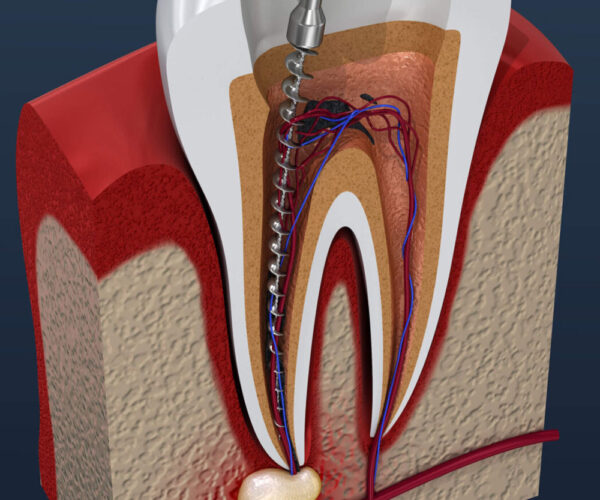
Inside each tooth is a space containing dental pulp, which includes nerves and blood vessels. If bacteria reach this area because of deep decay, cracks, trauma, or other damage, the pulp can become inflamed or infected.
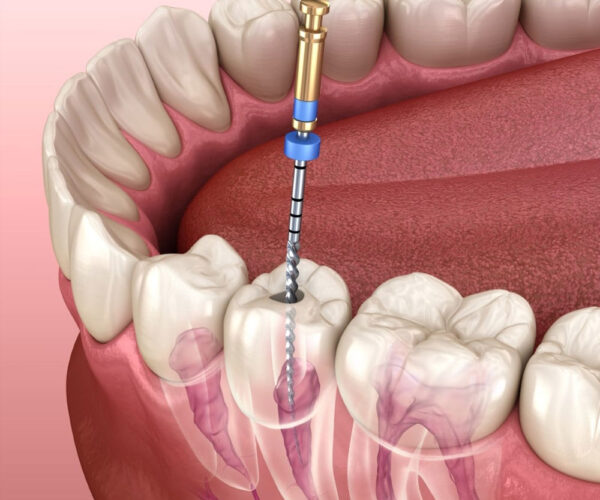
Root canal treatment involves removing the affected pulp, cleaning the inside of the tooth, and sealing the space.
The purpose of root canal treatment is to:
- Remove infected or inflamed pulp
- Clean the inside of the tooth
- Reduce or eliminate infection
- Relieve symptoms associated with the affected tooth
- Preserve the natural tooth when possible
- Restore normal dental function
After root canal treatment, the tooth may require a restoration such as a dental crown depending on its condition and location.
Why Might I Need a Root Canal?
A root canal may be recommended when the dental pulp has become significantly inflamed or infected.
Common causes include:
- Deep tooth decay
- Repeated dental procedures on the same tooth
- A cracked or fractured tooth
- Dental trauma
- Significant tooth damage
- Bacteria reaching the inner portion of the tooth
Sometimes the problem develops gradually and does not cause obvious symptoms at first. In other cases, patients experience significant pain or swelling.
Regular dental examinations can help identify decay or other dental problems before they progress to the point where root canal treatment becomes necessary.
Learn more about our general dentistry services in Brentwood.
Signs You May Need Root Canal Treatment
Symptoms can vary considerably from one patient to another.
Possible signs of a problem involving the dental pulp include:
- Persistent toothache
- Severe tooth pain
- Sensitivity to hot or cold
- Sensitivity that lingers after exposure to temperature
- Pain when biting or chewing
- Swelling around the tooth
- Tender gums
- A recurring abscess
- A darkened tooth
- A pimple-like bump on the gums
- Pain that comes and goes
Not everyone with an infected or damaged pulp experiences severe pain. In some cases, the problem may be discovered during a routine examination or through dental X-rays.
If you experience persistent symptoms, schedule a dental examination rather than waiting for the pain to disappear.
Root Canal and Severe Tooth Pain
A severe toothache can have many causes.
Tooth pain may result from:
- Tooth decay
- Pulp inflammation
- Dental infection
- Cracked teeth
- Gum disease
- Dental trauma
- A damaged restoration
- Other oral health conditions
A root canal is appropriate only when the underlying problem involves the tooth’s pulp and the tooth can be predictably restored.
Your dentist will evaluate the tooth before recommending treatment.
If you are experiencing severe or sudden dental pain, learn more about our dental emergency services in Brentwood.
Root Canal vs. Dental Filling
A dental filling and root canal treat different stages or types of dental problems.
A filling is generally used when decay has damaged the tooth but has not significantly affected the dental pulp.
Root canal treatment may be required when the pulp becomes irreversibly inflamed or infected.
For example:
Smaller cavity → Dental filling
Deep decay affecting the pulp → Root canal treatment may be necessary
Early treatment of cavities can therefore help reduce the likelihood that a tooth will require more extensive treatment.
Learn more about dental fillings in Brentwood, CA.
Root Canal vs. Tooth Extraction
When a tooth is severely infected or damaged, patients often ask whether it should be extracted or treated with a root canal.
When the tooth can be predictably restored, root canal treatment may allow the natural tooth to remain in place.
Extraction may be considered when:
- The tooth cannot be predictably restored
- There is extensive structural damage
- A severe fracture makes restoration impractical
- The supporting structures are severely compromised
- Other clinical factors make saving the tooth inappropriate
Preserving a natural tooth is often desirable when possible, but the appropriate decision depends on the individual condition of the tooth.
If extraction is recommended, learn more about tooth extraction in Brentwood, CA.
The Root Canal Treatment Process
The exact procedure depends on the tooth and the severity of the problem.
Step 1: Dental Examination
Your dentist examines the affected tooth and surrounding tissues.
The examination may include dental X-rays to help evaluate the roots, surrounding bone, and extent of the problem.
Learn more about dental X-rays in Brentwood.
Step 2: Local Anesthesia
Local anesthesia is used to numb the treatment area.
This helps make the procedure more comfortable.
Step 3: Accessing the Tooth
The dentist creates an opening in the tooth to access the affected pulp.
Step 4: Removing the Affected Pulp
The damaged or infected pulp is carefully removed from inside the tooth.
Step 5: Cleaning and Shaping
The internal spaces of the tooth are cleaned and prepared for sealing.
The goal is to remove affected tissue and reduce bacterial contamination inside the tooth.
Step 6: Sealing the Tooth
The cleaned space is filled and sealed to help prevent bacteria from re-entering the treated area.
Step 7: Restoring the Tooth
Depending on the tooth’s condition, your dentist may recommend a restoration such as a dental crown to protect the remaining structure.
Learn more about dental crowns and bridges in Brentwood.
Is Root Canal Treatment Painful?
The goal of modern root canal treatment is to relieve the pain caused by the damaged or infected pulp.
Local anesthesia is used during treatment to numb the area.
Some soreness or sensitivity may occur after the procedure as the surrounding tissues recover. Your dentist will provide appropriate instructions for managing post-treatment discomfort.
If you experience severe or worsening pain after treatment, contact your dental office for evaluation.
What Happens After a Root Canal?
After root canal treatment, the tooth may feel different for a short period.
Your dentist may recommend:
- Following specific eating instructions
- Avoiding excessive pressure on the treated tooth until it is restored
- Maintaining normal oral hygiene
- Attending follow-up appointments
- Completing any recommended restoration
A tooth that has received root canal treatment should continue to receive regular dental care.
Why Does a Root Canal Tooth Often Need a Crown?
Whether a crown is needed depends on factors such as:
- The location of the tooth
- Amount of remaining tooth structure
- Size of the restoration
- Functional demands
- Risk of fracture
Back teeth generally experience significant chewing forces and may require additional protection depending on the amount of remaining tooth structure.
Your dentist will determine whether a crown or another restoration is appropriate.
Learn more about dental crowns and bridges.
Root Canal and Dental X-Rays
Dental X-rays can play an important role in evaluating teeth that may require root canal treatment.
X-rays can help your dentist assess:
- Tooth roots
- Surrounding bone
- Possible infection
- The extent of certain dental problems
- Anatomy relevant to treatment planning
X-rays are only one part of diagnosis. Your dentist will also consider your symptoms, medical and dental history, and clinical examination.
Root Canal Treatment for a Dental Abscess
A dental abscess can develop when bacteria infect the tissues inside or around a tooth.
Possible symptoms include:
- Severe toothache
- Swelling
- Tender gums
- Facial swelling
- A bad taste
- Drainage
- Fever
When an abscess is associated with an infected tooth, root canal treatment may sometimes be used to address the source of infection while preserving the tooth.
Dental infections should not be ignored.
If you develop significant facial swelling or difficulty breathing or swallowing, seek immediate emergency medical care.
Root Canal Treatment and Bad Breath
A dental infection can sometimes contribute to an unpleasant taste or bad breath.
If persistent bad breath occurs together with tooth pain, swelling, or other symptoms, a dental examination can help identify whether an underlying dental problem may be contributing.
Learn more about bad breath treatment in Brentwood.
Persistent bad breath can also have other causes, including gum disease and inadequate oral hygiene.
Preventing the Need for Root Canal Treatment
Not every root canal can be prevented, but good preventive dental care can reduce the risk of deep decay and some dental infections.
Important habits include:
Brush Twice Daily
Use fluoride toothpaste and brush thoroughly twice each day.
Clean Between Your Teeth
Floss or use an appropriate interdental cleaning method to remove plaque and food particles.
Schedule Regular Dental Cleanings
Professional cleanings help control plaque and tartar buildup.
Our routine dental cleaning services in Brentwood can support ongoing preventive dental care.
Treat Cavities Early
A small cavity can sometimes be treated with a filling before it progresses deeper into the tooth.
Protect Your Teeth
Avoid using teeth to open packages or bite extremely hard objects. If you participate in sports, consider appropriate dental protection.
Learn more about mouth guards in Brentwood.
Root Canal Treatment for Families
Adults and children can both experience tooth decay and dental infections.
Children may require prompt evaluation when they develop severe tooth pain, swelling, or a damaged tooth.
Parents should not assume that a child’s painful tooth will simply resolve on its own.
For children’s dental care, visit our pediatric dentist services in Brentwood.
For adults and families, our family dentistry services provide comprehensive preventive and restorative care.
What If I Delay Root Canal Treatment?
If a tooth requires root canal treatment and the condition is left untreated, the problem may worsen.
Possible complications can include:
- Increasing pain
- Infection
- Abscess formation
- Swelling
- Damage to surrounding tissues
- Further structural damage to the tooth
- Eventual tooth loss
Symptoms may occasionally disappear temporarily even though the underlying problem remains.
For this reason, persistent dental pain or swelling should be evaluated rather than ignored.
Root Canal Treatment for a Cracked Tooth
A cracked tooth can sometimes damage the dental pulp.
Whether root canal treatment is appropriate depends on the location and severity of the crack and whether the tooth can be restored.
Some cracked teeth may require a crown after root canal treatment, while certain severe fractures may make extraction necessary.
A professional examination is required to determine the best approach.
Why Choose Marsh Creek Dental for Root Canal Treatment?
Root canal treatment requires careful diagnosis and treatment planning.
At Marsh Creek Dental, patients can receive comprehensive dental care in Brentwood, including preventive, restorative, general, family, pediatric, cosmetic, and emergency services.
Our approach focuses on understanding the underlying cause of your symptoms and determining whether the affected tooth can be preserved.
When root canal treatment is appropriate, the goal is to address the damaged or infected pulp while preserving the natural tooth whenever possible.
Explore our complete range of dental services in Brentwood, CA.
Most Popular and Trending Root Canal Questions
The lifespan of a dental filling varies depending on the material used, the location of the filling, your bite, oral hygiene, and everyday habits. Some fillings can last for many years, but no restoration lasts forever.
Regular routine dental cleanings and good daily oral hygiene can help protect your teeth and fillings. Your dentist can also check existing fillings during regular examinations and recommend replacement when necessary.
Your dentist will use local anesthesia to numb the treatment area before removing decay and placing the filling. You may feel pressure or vibration during the procedure, but the area should be numb.
Some sensitivity may occur after treatment and usually improves as the tooth settles. If discomfort persists or becomes severe, contact your dental office for an evaluation.
There is no fixed number of times a tooth can receive a filling. The decision depends on how much healthy tooth structure remains and the size and condition of the existing restoration.
If a filling becomes too large or the tooth has significant damage, repeatedly replacing the filling may no longer provide enough support. In these situations, your dentist may recommend a dental crown or another restorative option.