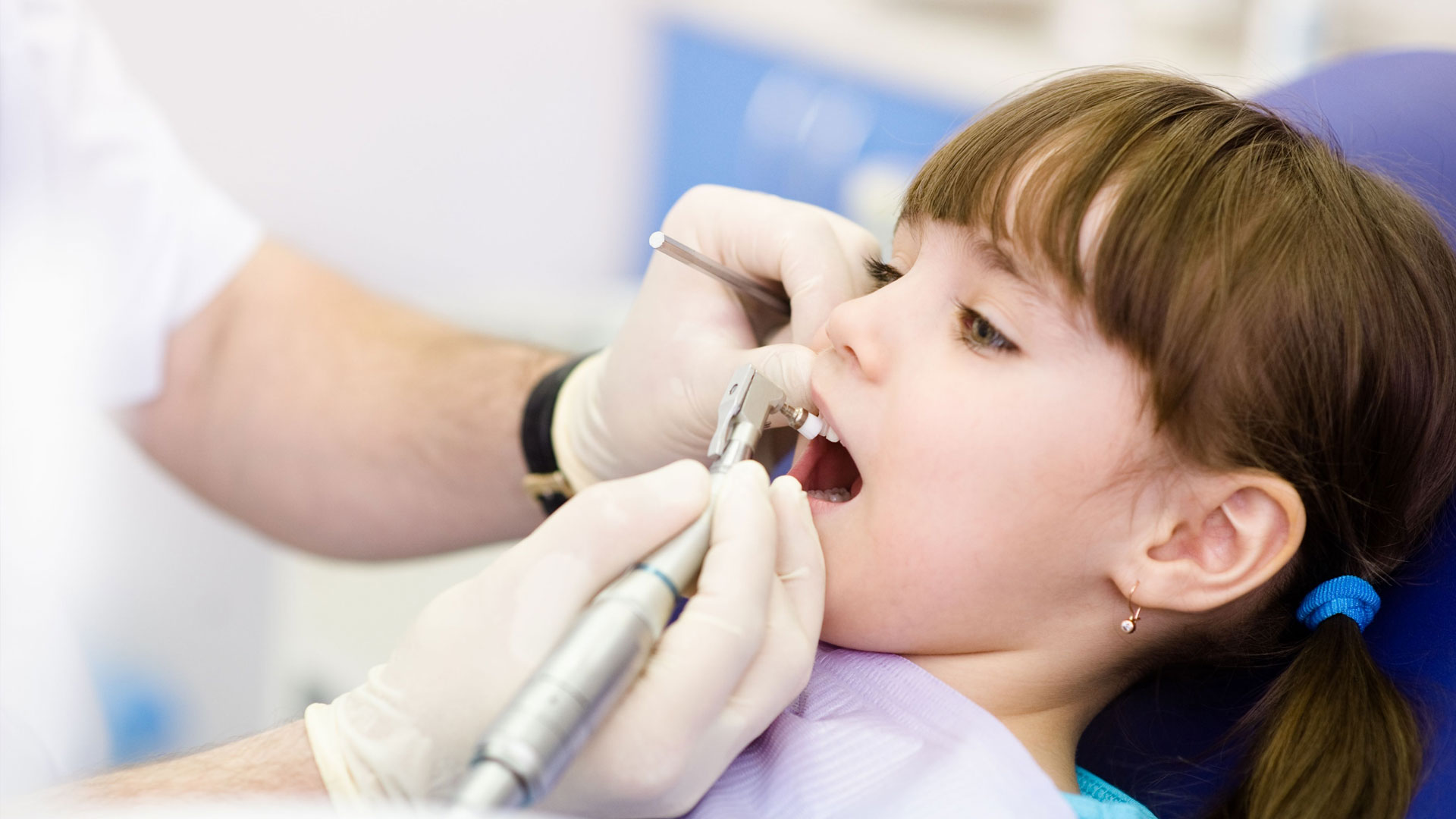
Pediatric Dentist in Brentwood, CA
Quick answer: Marsh Creek Dental provides gentle, family-friendly dental care for kids in Brentwood, CA, from a child’s first visit through the teen years, including checkups, cleanings, fluoride, dental sealants, fillings and sports mouth guards. Dental organizations recommend a first dental visit by age 1 or within six months after the first tooth appears, then checkups about every six months.
Call (925) 516-2988 or request an appointment online. Marsh Creek Dental · 7760 Brentwood Blvd., Suite A, Brentwood, CA 94513 · Mon–Fri 9am–5pm · We accept most dental insurance plans.
Choosing the right dental team for your child is an important step toward building healthy habits that can last a lifetime. At Marsh Creek Dental, we provide children’s dental care in Brentwood, CA, with an emphasis on preventive care, healthy tooth development, and helping families understand how to care for growing smiles.
If you are looking for a pediatric dentist in Brentwood, CA, our team can help you explore age-appropriate dental care for your child. From routine examinations and professional cleanings to cavity prevention and treatment, dental visits provide opportunities to monitor oral health and address concerns before they become more complicated.
Every child has different dental needs. Our approach focuses on evaluating each child’s oral health and discussing appropriate care with parents and caregivers.
Children's Dentistry in Brentwood, CA
Children’s dental care involves more than checking for cavities. As children grow, their teeth, gums, and jaws change. Regular dental visits help monitor these changes and provide guidance suited to each stage of development.
Depending on your child’s needs, dental care may include:
Dental examinations and checkups
Professional dental cleanings
Oral hygiene education
Dental X-rays when clinically appropriate
Cavity prevention and evaluation
Fluoride treatment recommendations
Dental sealants for suitable teeth
Dental fillings for cavities
Dental crowns when additional tooth protection is needed
Monitoring the development of primary and permanent teeth
Evaluation of dental pain or injuries
Guidance for parents and caregivers
The appropriate services depend on your child’s age, dental history, symptoms, and individual risk of tooth decay.
Why Is Regular Dental Care Important for Children?
Primary teeth, commonly called baby teeth, play an important role in childhood development. They help children chew, support speech development, and maintain space for permanent teeth.
Although baby teeth eventually fall out, they can still develop cavities and infections. Untreated decay may cause pain, interfere with eating and sleeping, and require more extensive treatment.
Regular dental visits allow the dental team to monitor:
Tooth eruption and development
Signs of tooth decay
Gum health
Plaque buildup and oral hygiene
Existing fillings or crowns
Dental injuries or sensitivity
The condition of newly erupted permanent teeth
Individual cavity risk and preventive care needs
Dental visits also give parents an opportunity to ask questions about brushing, nutrition, fluoride, and other factors that influence children’s oral health.
When Should a Child First Visit the Dentist?
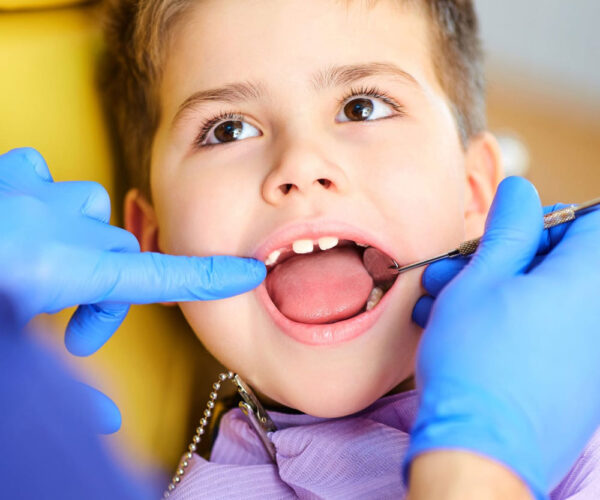
Children should generally have their first dental visit by their first birthday or within six months after their first tooth appears. Early visits allow parents to receive guidance about caring for baby teeth and help the dental team identify potential concerns.
During an early dental visit, the team may discuss:
Cleaning an infant’s teeth and gums
Using age-appropriate fluoride toothpaste
Feeding habits and frequent exposure to sugary drinks
Teething and tooth eruption
Pacifier use and thumb-sucking habits
Preventing early childhood cavities
Scheduling future dental visits
Starting dental care early can help families establish a consistent preventive routine. The recommended frequency of subsequent visits depends on the child’s oral health, cavity risk, and dental history.
Pediatric Dental Exams and Checkups
A dental examination helps assess your child’s teeth, gums, and overall oral health. The appointment may also provide an opportunity to discuss habits or symptoms that could affect developing teeth.
Depending on your child’s age and needs, an examination may include:
Checking the Teeth and Gums
The dental team evaluates visible tooth surfaces, gum tissues, and areas where plaque or decay may be present.
Monitoring Tooth Development
As children grow, primary teeth are gradually replaced by permanent teeth. Monitoring this process helps identify changes that may require further evaluation.
Assessing Cavity Risk
Children differ in their risk of tooth decay. Factors may include previous cavities, oral hygiene habits, diet, fluoride exposure, and the shape of the teeth.
Discussing Preventive Care
Your child’s dental provider may recommend professional cleaning, fluoride, sealants, or changes to the home-care routine based on the examination.
Recommending Additional Evaluation
Dental X-rays may be recommended when clinically appropriate to assess areas that cannot be fully evaluated during a visual examination alone.
Learn more about our dental X-rays in Brentwood, CA.
Children’s Dental Cleanings in Brentwood
Professional dental cleanings help remove plaque and tartar that can accumulate on children’s teeth. They also give the dental team an opportunity to reinforce effective brushing and flossing habits.
Even children who brush regularly may miss certain areas, especially around the back teeth or along the gumline.
A professional cleaning may include:
Removing plaque and tartar when present
Cleaning around the gumline
Polishing teeth when appropriate
Reviewing brushing and flossing techniques
Discussing ways to reduce cavity risk
Identifying areas that may need additional attention
The exact procedure depends on your child’s age and oral health.
Learn more about our routine dental cleaning in Brentwood, CA.
Dental Sealants for Children
Dental sealants are thin protective coatings applied to the chewing surfaces of selected teeth, often the back molars. These teeth can have grooves and pits where food and plaque collect, making them harder to clean thoroughly.
A sealant creates a protective surface that can help reduce the risk of cavities in suitable teeth.
Your child’s dentist may consider sealants based on:
Which teeth have erupted
The depth and shape of the tooth grooves
The child’s cavity history
Oral hygiene habits
Overall risk of tooth decay
Sealants do not replace brushing, flossing, fluoride recommendations, or routine dental visits. They are one part of a broader preventive plan.
Learn more about dental sealants in Brentwood, CA.
Fluoride and Cavity Prevention
Fluoride helps strengthen tooth enamel and can support the prevention of tooth decay. Depending on a child’s age, cavity risk, and oral health, a dental provider may recommend fluoride toothpaste or professional fluoride treatment.
Parents can help support healthy teeth by:
Using an age-appropriate amount of fluoride toothpaste
Supervising brushing for younger children
Encouraging consistent brushing twice daily
Cleaning between teeth when appropriate
Limiting frequent sugary snacks and drinks
Offering water regularly
Maintaining recommended dental appointments
Ask your dental provider about the appropriate toothpaste amount and fluoride products for your child’s age and individual needs.
Dental Fillings for Children’s Cavities
Cavities can develop in baby teeth as well as permanent teeth. Early decay may not cause noticeable symptoms, so a child may have a cavity without reporting pain.
If a cavity is identified, the dentist can evaluate its size, location, and severity before discussing treatment options.
A dental filling may be appropriate when the affected tooth can be restored with a filling. The purpose is to repair the damaged area and restore the tooth’s function.
Parents should contact the dental office if a child has:
Tooth pain or sensitivity
A visible hole or dark area on a tooth
Food frequently getting trapped around a tooth
Pain when chewing
A chipped or damaged tooth
Swelling around a tooth or gum
The best treatment depends on the individual tooth and the extent of the problem.
Learn more about dental fillings in Brentwood, CA.
When Might a Child Need a Dental Crown?
In some cases, a child’s tooth may have extensive decay or damage that cannot be adequately restored with a filling alone. A dental crown may be considered to cover and protect the remaining tooth structure.
Whether a crown is appropriate depends on the child’s age, the tooth involved, the amount of damage, and other clinical factors.
Your dental provider can explain the available options and discuss the benefits and limitations of each approach.
For additional information, visit our page about dental crowns and bridges in Brentwood, CA.
Dental X-Rays for Children
Dental X-rays can help the dentist evaluate areas that may not be visible during a routine visual examination, such as certain surfaces between teeth or developing structures.
X-rays are not automatically required at every appointment. The decision to take dental images depends on the child’s dental history, age, symptoms, development, and individual clinical needs.
If imaging is recommended, the dental team can explain why it may be useful and answer parents’ questions.
Children’s Dental Care at Different Ages
Dental needs change as children grow. Preventive care should reflect the child’s stage of development rather than follow the same approach for every age.
Infants and Toddlers
Early care focuses on the first teeth, oral hygiene routines, feeding habits, and preventing early childhood tooth decay. Parents can learn how to clean emerging teeth and recognize signs that require dental attention.
Preschool Children
Children at this age are learning to brush more independently but often still need help from parents. Dental visits can reinforce brushing habits and help identify early signs of cavities.
School-Age Children
As permanent teeth begin to erupt, the dental team can monitor tooth development and evaluate whether preventive options such as sealants are appropriate.
Children may also need reminders about cleaning the back teeth and maintaining healthy eating habits.
Teenagers
Teenagers may take greater responsibility for their oral hygiene, but regular dental care remains important. Dental visits can address cavity risk, gum health, oral hygiene, and changes associated with developing permanent teeth.
Teenagers who participate in sports may also benefit from discussing appropriate dental protection.
Helping Children Feel Comfortable at the Dentist
Some children feel nervous before or during a dental appointment. Parents can help make dental visits more familiar by approaching them calmly and positively.
Consider these suggestions:
Explain the visit using simple, age-appropriate language.
Avoid frightening stories about dental procedures.
Encourage your child to ask questions.
Bring up any anxiety or sensory concerns with the dental team before the appointment.
Maintain preventive visits rather than waiting until a tooth hurts.
Praise your child for participating and following instructions.
Every child responds differently. Let the dental team know if your child needs extra reassurance or additional time to become comfortable.
How Parents Can Help Prevent Childhood Cavities
Home care plays a major role in maintaining children’s oral health between dental visits.
Establish a Consistent Brushing Routine
Encourage brushing twice daily with fluoride toothpaste. Younger children usually need direct supervision or assistance to make sure all tooth surfaces are cleaned.
Clean Between Teeth
When teeth touch, a toothbrush may not adequately clean the spaces between them. Ask your dental provider when and how to introduce floss or another suitable interdental cleaning tool.
Limit Frequent Sugary Snacks and Drinks
Frequent exposure to sugary foods and drinks can increase the risk of cavities. Offer balanced meals and water regularly, and avoid allowing sugary drinks to be sipped frequently throughout the day.
Encourage Water
Water can help rinse away food debris and is a useful everyday drink choice. Ask your dental provider if you have questions about your child’s drinking water and fluoride exposure.
Keep Up With Dental Visits
Regular checkups help the dental team monitor oral health and adjust preventive recommendations as your child grows.
Baby Teeth Matter Even Though They Fall Out
Baby teeth are important for chewing, speech development, and maintaining space for permanent teeth. They also help children become familiar with daily oral hygiene habits.
A cavity in a baby tooth should not automatically be ignored because the tooth will eventually fall out. Depending on the tooth and the extent of decay, untreated problems may cause pain or infection.
If you notice changes in your child’s teeth or suspect a cavity, arrange a dental evaluation to determine whether treatment is needed.
Children’s Dental Emergencies
Dental injuries and sudden tooth pain can happen at any age. Some problems require prompt dental attention.
Contact a dental professional promptly if your child experiences:
Severe or persistent tooth pain
A chipped or broken tooth
A knocked-out permanent tooth
A tooth displaced by an injury
Swelling around the gums or face
Bleeding that does not stop
A damaged dental restoration
Pain or injury that interferes with eating
If a permanent tooth is knocked out, seek urgent dental guidance immediately. Handle the tooth carefully by the crown rather than the root, and follow the dentist’s instructions.
Facial swelling accompanied by difficulty breathing or swallowing, or other signs of a serious medical emergency, requires emergency medical care.
For additional information, visit our dental emergency services in Brentwood.
Sports Mouth Guards for Children
Children who participate in sports or activities with a risk of impact to the face may benefit from a properly fitted sports mouth guard.
A mouth guard can help protect the teeth and oral tissues from certain sports-related injuries. The appropriate type depends on the activity, the child’s dental development, and whether braces or other dental appliances are present.
Learn more about mouth guards in Brentwood, CA.
Children’s Dentistry and Family Dental Care
Families often have different dental needs at different stages of life. Children may need preventive care and monitoring of developing teeth, while adults may require routine cleaning, restorative treatment, or other dental services.
Marsh Creek Dental provides a range of dental services for patients in Brentwood. Parents can discuss their child’s needs with the dental team and ask which services may be appropriate.
Explore our family dentistry services in Brentwood, CA or browse our full range of dental services in Brentwood, CA.
Why Choose Marsh Creek Dental for Children’s Dental Care?
Choosing a dental practice for your child means finding a team that can help you understand preventive care, monitor oral health, and explain treatment options when concerns arise.
Marsh Creek Dental offers children’s dental services alongside preventive and general dental care for families in Brentwood, CA.
Our team can help parents discuss concerns such as tooth decay, oral hygiene, dental cleanings, dental sealants, and dental injuries. Recommendations are based on the child’s individual needs and clinical evaluation.
If you have questions about your child’s oral health, contact our office to discuss the next appropriate step.
Frequently Asked Questions About Children's Dentistry in Brentwood, CA
A child’s first dental visit is generally recommended by the first birthday or within six months after the first tooth appears. Early visits allow parents to receive guidance on oral hygiene and cavity prevention.
The appropriate schedule depends on your child’s oral health, dental history, and cavity risk. Your dental provider can recommend a schedule tailored to your child’s needs.
They may. Baby teeth support chewing, speech, and space for permanent teeth. Untreated decay can cause pain or infection, so a dentist should evaluate suspected cavities.
Dental sealants are commonly used as a preventive option for suitable teeth. Your child’s dentist can explain whether sealants are appropriate based on tooth development and cavity risk.
No. Dental X-rays are recommended when clinically appropriate, based on the child’s dental history, age, symptoms, and individual needs.
Contact the dental office for guidance, especially if pain persists or affects eating or sleeping. Swelling, fever, or worsening symptoms should be evaluated promptly. Difficulty breathing or swallowing requires emergency medical attention.
Contact a dentist immediately for instructions. A knocked-out permanent tooth needs urgent attention. Baby teeth and permanent teeth require different management, so do not attempt to reinsert a baby tooth.