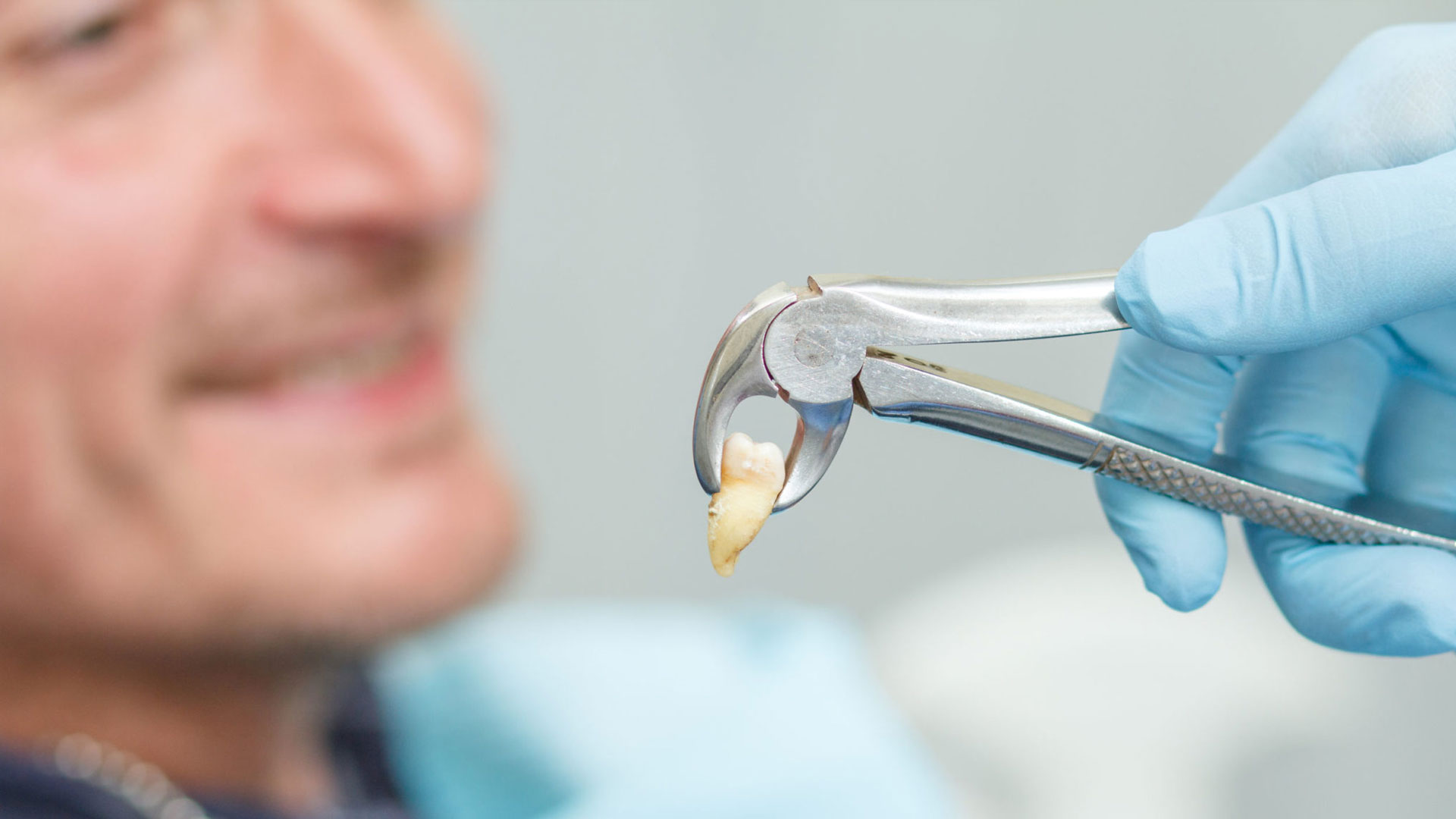
Tooth Extraction in Brentwood, CA
A damaged, severely decayed, infected, or otherwise compromised tooth may sometimes need to be removed to protect your overall oral health. At Marsh Creek Dental, we provide professional tooth extraction in Brentwood, CA when removing a tooth is necessary or when it cannot be predictably restored.
Our goal is always to preserve natural teeth whenever possible. However, there are situations where extraction may be the safest and most appropriate treatment. A comprehensive dental examination can help determine whether a tooth can be saved with restorative treatment or whether extraction is recommended.
If you are experiencing severe tooth pain, swelling, a broken tooth, or another urgent dental problem, prompt evaluation can help prevent the condition from becoming more serious.
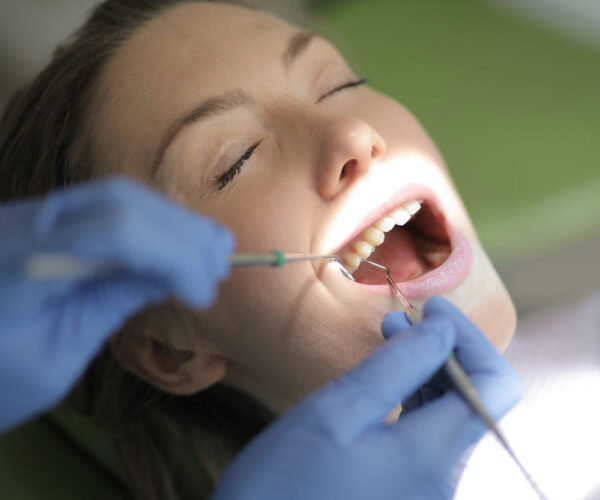

What Is a Tooth Extraction?
A tooth extraction is a dental procedure in which a tooth is removed from its socket in the jaw.
Dentists generally consider extraction only after evaluating whether the tooth can be restored. Depending on the condition of the tooth, alternatives may include a filling, crown, root canal treatment, or other restorative care.
Extraction may be recommended when a tooth is too damaged, decayed, infected, or compromised to be predictably restored.
The decision is based on factors such as:
- The amount of healthy tooth structure remaining
- The severity of decay
- The presence of infection
- Tooth fractures
- Gum and bone health
- The position of the tooth
- Previous dental treatment
- The patient’s overall oral health
When Is Tooth Extraction Necessary?
There are several situations in which a dentist may recommend removing a tooth.
Severe Tooth Decay
A tooth with extensive decay may no longer have enough healthy structure to support a predictable restoration.
When possible, restorative treatment may preserve the natural tooth. Depending on the amount of damage, this may include a filling or dental crown.
Learn more about dental fillings in Brentwood, CA and dental crowns and bridges in Brentwood.
Severe Tooth Infection
A severely infected tooth may require root canal treatment when the tooth can still be restored.
If the tooth is too damaged to save, extraction may be necessary.
Learn more about root canal treatment in Brentwood to understand how infected teeth may sometimes be treated without extraction.
Broken or Fractured Teeth
Some broken teeth can be restored with a filling, bonding, or crown. However, a severe fracture may make the tooth impossible to restore predictably.
Your dentist will evaluate the location and extent of the fracture before recommending treatment.
Advanced Gum Disease
Severe gum disease can damage the tissues and bone supporting a tooth. In advanced cases, a tooth may become excessively loose or difficult to maintain.
Treating gum disease early may help protect natural teeth.
Learn more about gum disease treatment in Brentwood, CA.
Dental Trauma
Accidents, falls, sports injuries, and other forms of trauma can severely damage a tooth.
Some injured teeth can be restored, while others may require removal depending on the extent of the damage.
If you experience a significant dental injury, our dental emergency services can help you determine the appropriate next step.
Tooth Extraction vs. Root Canal
Patients often wonder whether a painful or infected tooth should be extracted or treated with a root canal.
The answer depends on whether the tooth can be predictably restored.
A root canal may be considered when:
- The tooth has an infected or inflamed pulp
- Enough healthy tooth structure remains
- The tooth can be restored after treatment
- The surrounding support is adequate
Extraction may be recommended when:
- The tooth cannot be predictably restored
- There is extensive structural damage
- A severe fracture extends into an unfavorable area
- Advanced disease has compromised the tooth
- Other clinical factors make saving the tooth inappropriate
Your dentist can evaluate the tooth and explain the available options.
The Tooth Extraction Process
The exact process depends on the condition and position of the tooth.
Step 1: Dental Examination
Your dentist will examine the tooth, surrounding gums, and supporting structures.
Dental X-rays may be recommended to better understand the tooth’s roots, surrounding bone, or other structures.
Learn more about dental X-rays in Brentwood, CA.
Step 2: Discussing Treatment Options
Before treatment, your dentist will explain why extraction may be recommended and whether other treatment options are available.
The goal is to make sure you understand the benefits, risks, and alternatives before proceeding.
Step 3: Local Anesthesia
Local anesthesia is typically used to numb the area around the tooth.
This helps reduce discomfort during the procedure.
Step 4: Removing the Tooth
The dentist carefully loosens and removes the tooth from its socket.
The complexity of the extraction depends on factors such as the tooth’s position, root shape, surrounding bone, and overall condition.
Step 5: Post-Extraction Instructions
After the tooth is removed, your dental team will provide instructions for protecting the extraction site and supporting healing.
Following these instructions carefully is an important part of recovery.
What Can I Expect After a Tooth Extraction?
Some soreness, sensitivity, or swelling can occur after an extraction.
Your dentist will provide specific instructions based on your procedure.
General recommendations may include:
- Follow your dentist’s post-treatment instructions
- Avoid disturbing the extraction site
- Keep the area clean as instructed
- Eat appropriate foods while the area heals
- Avoid smoking or tobacco products during healing
- Avoid strenuous activity when advised
- Take medications only as directed
- Contact your dental office if symptoms become unusually severe
Recovery varies depending on the type of extraction and the patient’s individual circumstances.
What Should I Eat After a Tooth Extraction?
Immediately following an extraction, softer foods may be easier to eat.
Examples may include:
- Yogurt
- Applesauce
- Mashed vegetables
- Soft eggs
- Smooth soups
- Soft pasta
- Other foods recommended by your dental team
Avoid extremely hot, hard, crunchy, or difficult-to-chew foods while the extraction area is healing if your dentist advises you to do so.
Your dentist will provide individualized instructions based on your procedure.
Signs You Should Contact Your Dentist After Extraction
Some discomfort after extraction is expected, but you should contact your dental office if you experience symptoms that concern you or become increasingly severe.
These may include:
- Severe or worsening pain
- Significant swelling
- Persistent bleeding
- Fever
- Increasing redness or swelling
- Pus or unusual drainage
- Difficulty swallowing or breathing
If you experience severe facial swelling or difficulty breathing or swallowing, seek immediate emergency medical attention.
Emergency Tooth Extraction in Brentwood
Some extractions are planned, while others may become necessary because of an urgent dental problem.
Severe decay, infection, trauma, or a badly broken tooth can sometimes require prompt treatment.
If you are experiencing severe tooth pain, swelling, or a serious dental injury, visit our emergency dental care page for information about urgent dental problems.
Prompt treatment may help prevent a dental problem from worsening.
Tooth Extraction and Dental X-Rays
Dental X-rays can provide information that cannot always be seen during a visual examination.
Before an extraction, X-rays may help your dentist evaluate:
- Tooth roots
- Surrounding bone
- The position of the tooth
- Nearby anatomical structures
- Hidden decay or infection
- Other conditions affecting treatment planning
Not every extraction requires the same type or number of X-rays. Your dentist will determine which diagnostic information is appropriate for your individual situation.
Can a Tooth Be Saved Instead of Extracted?
In many cases, dentists try to preserve natural teeth whenever possible.
Depending on the condition, treatment alternatives may include:
- Dental fillings
- Dental crowns
- Root canal treatment
- Gum disease treatment
- Other restorative procedures
For example, a tooth with deep decay may sometimes be treated with root canal therapy followed by a restoration rather than removed.
However, attempting to save a tooth that cannot be predictably restored may result in ongoing problems. Your dentist will consider the condition of the tooth and surrounding structures before recommending extraction.
Replacing a Missing Tooth After Extraction
After a tooth is removed, your dentist may discuss options for replacing it depending on its location and your individual needs.
A missing tooth can affect chewing, appearance, and the way neighboring teeth function.
Possible replacement options vary from patient to patient and may include restorative solutions such as dental bridges or other tooth-replacement approaches.
If a bridge may be appropriate, learn more about our dental crowns and bridges in Brentwood.
The best option depends on the location of the missing tooth, surrounding teeth, gum health, bone condition, and overall treatment goals.
Tooth Extraction and Gum Health
Healthy gums and supporting bone are important for maintaining natural teeth.
If gum disease is contributing to tooth mobility or loss, treating the underlying gum problem may be an important part of your overall dental care.
Signs of possible gum disease include:
- Bleeding gums
- Swollen gums
- Persistent bad breath
- Gum tenderness
- Receding gums
- Loose teeth
Learn more about gum disease treatment in Brentwood.
Maintaining regular professional cleanings and good home care can also help protect your remaining teeth.
How to Protect Your Remaining Teeth
After an extraction, maintaining the health of your remaining teeth becomes especially important.
Good habits include:
- Brush twice a day
- Clean between your teeth daily
- Maintain regular dental examinations
- Schedule professional dental cleanings
- Address cavities early
- Treat gum disease promptly
- Avoid chewing extremely hard objects
- Protect your teeth during sports
- Follow your dentist’s recommendations
Regular teeth cleaning in Brentwood can help control plaque and tartar while allowing your dental team to monitor your oral health.
Tooth Extraction for Children
Children occasionally require tooth removal because of severe decay, dental trauma, or other circumstances.
However, the approach to children’s dental care is different because baby teeth and developing permanent teeth must be considered.
Parents should contact a dentist if a child experiences:
- Severe tooth pain
- Facial or gum swelling
- A badly damaged tooth
- Significant dental trauma
- Unusual bleeding
- Signs of dental infection
For children’s dental needs, learn more about our pediatric dentist services in Brentwood.
How Can Tooth Extraction Be Prevented?
Not every extraction can be prevented, but preventive dental care can reduce the risk of losing teeth from common causes such as untreated decay and gum disease.
Important preventive habits include:
Brush and Floss Consistently
Daily plaque control helps protect teeth and gums.
Maintain Professional Cleanings
Professional dental cleanings can remove plaque and tartar that cannot always be eliminated with normal brushing.
Treat Cavities Early
Small cavities may be easier to restore than advanced decay.
Address Gum Problems
Bleeding or swollen gums should not be ignored.
Wear Appropriate Mouth Protection
A properly fitted mouth guard can help reduce the risk of certain sports-related dental injuries.
Learn more about mouth guards in Brentwood.
Don’t Ignore Tooth Pain
Persistent tooth pain may indicate a problem that requires treatment. Delaying care can sometimes make treatment more complicated.
Why Choose Marsh Creek Dental for Tooth Extraction?
Choosing the right dental provider for an extraction starts with a thorough evaluation of the tooth and surrounding oral structures.
At Marsh Creek Dental, patients can receive comprehensive dental care in Brentwood, including preventive, general, restorative, family, pediatric, cosmetic, and emergency services.
Our approach focuses on determining whether a tooth can be preserved and, when extraction is necessary, providing appropriate care based on the patient’s individual needs.
Explore our complete range of dental services in Brentwood, CA.
Most popular and trending Dental Extraction Questions?
Recovery varies depending on the type of extraction, the tooth being removed, and your overall health. Many people can return to normal daily activities relatively quickly, while the extraction site may take longer to heal. Your dentist will provide specific aftercare instructions based on your procedure.
If you are considering replacing a missing tooth after extraction, options such as dental crowns and bridges or other tooth-replacement treatments may be discussed after your mouth has healed.
Tooth extraction is performed with local anesthesia to numb the treatment area. You may feel pressure during the procedure, but you should not experience significant pain while the tooth is being removed.
For patients who are nervous about dental treatment, comfort options may be discussed based on the procedure and your individual needs. Following your dentist’s aftercare instructions can also help support a comfortable recovery.
Your dentist will provide specific instructions about when and what you can eat after your extraction. In many cases, soft foods are recommended initially while the extraction site begins to heal.
Avoiding very hot foods and drinks, hard or crunchy foods, and activities that could disturb the extraction site may help support healing. Good oral hygiene education and careful aftercare are also important following an extraction.