
Dental emergencies can happen unexpectedly and may cause significant pain, swelling, bleeding, or damage to your teeth. Accidents, sports injuries, biting hard foods, tooth decay, and other dental problems can lead to a dental emergency that requires prompt evaluation.
At Marsh Creek Dental, we provide emergency dental care in Brentwood, CA for patients experiencing urgent dental problems. Our team will evaluate the condition of your teeth and gums, explain your treatment options, and help determine the appropriate next step for your situation.
If you are experiencing a dental emergency, call (925) 516-2988 to speak with our dental office.
If you are nervous about treatment or require a more involved procedure, ask our team about available comfort and sedation options. We can discuss your concerns, medical history, and treatment needs to determine which approach may be appropriate for you.
Our goal is to help you feel informed and comfortable while receiving the dental care you need.
Accidents happen, and knowing what to do when one occurs can mean the difference between saving and losing a tooth. Not sure if it’s an emergency? Find out by talking to one of our Brentwood Dentists at Marsh Creek Dental.
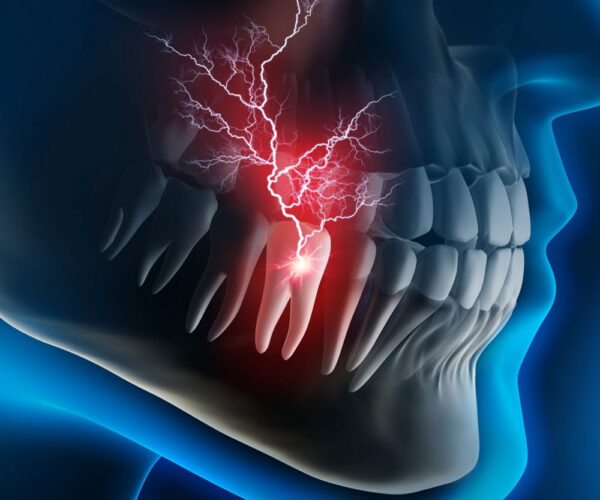

What Is a Dental Emergency?
A dental emergency is a dental problem that requires prompt professional evaluation because delaying treatment could result in increased pain, infection, damage to the tooth, or other complications.
Common dental emergencies include:
- Severe or persistent tooth pain
- A broken or fractured tooth
- A knocked-out permanent tooth
- A severely loose tooth following an injury
- Facial or oral swelling
- A dental abscess
- Significant bleeding
- Severe sensitivity after dental trauma
- A lost or damaged dental restoration
- Injury to the mouth, teeth, or gums
If you are unsure whether your situation requires urgent dental care, contacting a dental office for guidance is generally better than ignoring symptoms that are worsening.
For an overview of urgent dental situations and when to seek care, visit our Emergency Dentistry page.
When Should You See an Emergency Dentist?
You should consider contacting an emergency dentist when you experience symptoms that are severe, sudden, worsening, or associated with infection or injury.
Examples include:
Severe Tooth Pain
A severe toothache can be caused by decay, inflammation, infection, trauma, or another dental problem.
Pain that persists or becomes increasingly intense should be evaluated rather than managed indefinitely with temporary measures.
Facial or Gum Swelling
Swelling around the tooth, gums, jaw, or face can sometimes be associated with a dental infection.
If swelling is severe or accompanied by difficulty breathing or swallowing, seek emergency medical care immediately.
Broken or Cracked Tooth
A tooth can break because of trauma, decay, biting on something hard, or other causes.
Depending on the severity of the damage, treatment may include a filling, crown, root canal treatment, or extraction.
Knocked-Out Tooth
A knocked-out permanent tooth requires prompt attention.
Handle the tooth carefully by the crown rather than the root. If possible, keep it moist and contact a dentist immediately for instructions.
Significant Dental Bleeding
Bleeding after an injury or dental procedure should be monitored carefully. If bleeding is heavy or does not stop with appropriate pressure, seek urgent professional assistance.
Common Causes of Dental Emergencies
Dental emergencies can result from many different situations.
Common causes include:
- Untreated tooth decay
- Dental infections
- Cracked or fractured teeth
- Sports injuries
- Accidental falls
- Car or bicycle accidents
- Biting hard foods
- Teeth grinding or clenching
- Gum infections
- Damaged dental restorations
Regular preventive care can help reduce the risk of some dental emergencies by identifying problems before they become severe.
Our general dentistry services in Brentwood provide comprehensive preventive and restorative dental care.
Emergency Tooth Pain in Brentwood
Severe tooth pain can make it difficult to eat, sleep, work, or concentrate.
Tooth pain may be associated with:
- Deep tooth decay
- Pulp inflammation
- Dental infection
- Cracked teeth
- Damaged restorations
- Gum problems
- Trauma
- Impacted or damaged teeth
A dental examination is important because the treatment for tooth pain depends on its underlying cause.
For example, a tooth with significant decay may require a filling or crown, while an infected tooth may require root canal treatment or another procedure.
Learn more about root canal treatment in Brentwood if your tooth pain may be related to an infected or inflamed dental pulp.
Emergency Dental Care for a Broken Tooth
A broken tooth should be evaluated by a dentist, especially if the break causes pain or exposes sensitive inner tooth structure.
Depending on the extent of the damage, treatment may involve:
- Dental filling
- Dental bonding
- Dental crown
- Root canal treatment
- Extraction in severe cases
If enough healthy tooth structure remains, restorative treatment may help preserve the natural tooth.
Learn more about dental crowns and bridges in Brentwood for information about restoring damaged teeth.
Emergency Dental Care for a Dental Abscess
A dental abscess is an infection that can cause pain, swelling, tenderness, or a bad taste in the mouth.
Signs that may indicate a dental infection include:
- Severe toothache
- Gum swelling
- Facial swelling
- Sensitivity to pressure
- Fever
- Pus or drainage
- Persistent bad taste
Dental infections should be evaluated promptly.
If you develop severe facial swelling or have difficulty breathing or swallowing, seek emergency medical attention immediately.
What Should You Do Before Seeing an Emergency Dentist?
The appropriate first-aid steps depend on the type of dental emergency.
In general:
- Contact a dentist as soon as possible.
- Keep the affected area clean.
- Rinse your mouth gently with water if appropriate.
- Avoid chewing on the injured area.
- Do not place aspirin directly on your gums or tooth.
- Follow professional instructions regarding pain management.
- For a knocked-out permanent tooth, handle it carefully by the crown and keep it moist.
- Seek emergency medical care for severe facial trauma, difficulty breathing, uncontrolled bleeding, or other potentially life-threatening symptoms.
Temporary home care should not replace professional dental evaluation when symptoms are severe or worsening.
Emergency Dental X-Rays
Dental X-rays may be recommended during an emergency evaluation when your dentist needs additional information about the tooth, roots, surrounding bone, or possible hidden damage.
X-rays can help evaluate conditions such as:
- Tooth decay
- Root problems
- Dental infections
- Bone-related concerns
- Tooth fractures in certain situations
- Problems associated with dental trauma
Learn more about dental X-rays in Brentwood, CA.
Your dentist will determine whether an X-ray is appropriate based on your symptoms and clinical examination.
Emergency Dental Fillings
Some dental emergencies are caused by broken or lost fillings or by cavities that have progressed significantly.
A filling may be appropriate when the affected tooth has enough healthy structure remaining to be restored.
If you experience sudden sensitivity, pain, or damage around an existing filling, schedule an examination to determine what is happening.
Learn more about dental fillings in Brentwood, CA.
Emergency Root Canal Treatment
Severe tooth pain does not always mean that the tooth needs to be extracted.
When the dental pulp inside a tooth becomes inflamed or infected, root canal treatment may be recommended to remove the affected tissue and preserve the natural tooth.
Symptoms that may be associated with a problem requiring root canal treatment can include:
- Persistent toothache
- Severe sensitivity to hot or cold
- Pain when biting
- Swelling
- Tenderness around the tooth
- A dental abscess
A dentist must examine the tooth to determine the appropriate treatment.
Emergency Tooth Extraction
Sometimes a tooth is too severely damaged or infected to be predictably restored.
In these situations, extraction may be recommended.
Tooth extraction may be considered when a tooth has:
- Extensive structural damage
- Severe decay
- Advanced infection
- Certain types of fractures
- Other conditions that prevent predictable restoration
Learn more about dental extractions in Brentwood to understand when extraction may be recommended.
Whenever possible, the goal of restorative dentistry is to preserve healthy natural teeth. However, extraction can sometimes be the safest treatment for a severely compromised tooth.
Dental Emergencies and Gum Problems
Not every dental emergency begins with a tooth.
Severe gum swelling, an abscess, or significant gum pain can also require prompt dental evaluation.
Gum disease can contribute to inflammation, bleeding, discomfort, and other oral health problems.
If you have recurring bleeding gums, swelling, or persistent bad breath, learn more about our gum disease treatment in Brentwood.
Addressing gum problems early may help reduce the likelihood of more serious complications.
Dental Emergencies for Children
Children can experience dental emergencies from falls, sports injuries, accidents, cavities, or other causes.
Parents should contact a dentist promptly when a child experiences:
- A knocked-out permanent tooth
- A broken tooth
- Severe tooth pain
- Significant swelling
- A dental injury
- Unusual bleeding
- Trauma to the mouth or jaw
For children’s ongoing dental care, visit our pediatric dentist services in Brentwood.
Parents can also help reduce the risk of sports-related dental injuries by discussing appropriate mouth protection with their dental provider.
How Can Dental Emergencies Be Prevented?
Not every dental emergency can be prevented, but several habits can reduce the risk.
Maintain Good Oral Hygiene
Brush twice daily and clean between your teeth every day.
Schedule Regular Dental Cleanings
Professional cleanings help remove plaque and tartar and give your dentist an opportunity to identify developing problems.
Learn more about routine dental cleaning in Brentwood.
Treat Dental Problems Early
A small cavity, minor crack, or early gum problem may become more complicated when treatment is delayed.
Protect Your Teeth During Sports
A properly fitted mouth guard can reduce the risk of certain dental injuries.
Learn more about our mouth guard services.
Avoid Using Teeth as Tools
Opening packages or biting hard objects with your teeth can increase the risk of cracks and fractures.
Emergency Dentist vs. Emergency Room
A dental office is generally the appropriate place for many urgent problems involving the teeth and gums.
However, some injuries require emergency medical attention.
Go to an emergency room or seek immediate medical care if you experience:
- Difficulty breathing
- Difficulty swallowing
- Severe facial swelling
- Uncontrolled bleeding
- Major facial trauma
- Loss of consciousness
- A potentially life-threatening injury
For urgent dental problems without these medical warning signs, contacting a dentist can help determine the appropriate next step.
Why Choose Marsh Creek Dental for Dental Emergencies?
When a dental emergency occurs, patients need clear guidance and professional evaluation.
Marsh Creek Dental provides comprehensive dental care in Brentwood, including emergency, general, family, preventive, pediatric, cosmetic, and restorative services.
Our team can evaluate urgent dental concerns and determine whether treatment such as a filling, crown, root canal, extraction, or other dental care may be appropriate.
You can also explore our complete range of dental services in Brentwood, CA.
Most popular and trending Dental Emergency Questions
Toothaches are among the most common reasons patients seek urgent dental care. A severe or persistent toothache may be related to tooth decay, infection, a cracked tooth, gum problems, or another underlying dental condition.
Other emergencies can include broken teeth, dental injuries, swelling, and damage to existing dental work. Because different problems can cause similar symptoms, a dental examination is important for determining the underlying cause.
A dental abscess can require prompt dental treatment. If you develop facial swelling, fever, difficulty swallowing, difficulty breathing, or swelling that is spreading toward the neck, seek emergency medical attention immediately.
For dental symptoms without these serious warning signs, contact a dentist as soon as possible for evaluation and treatment. An untreated dental infection can become more serious, so it is important not to ignore worsening symptoms.
A severe toothache, especially one that persists or interferes with eating, sleeping, or normal daily activities, should be evaluated promptly. Tooth pain may be caused by decay, infection, a cracked tooth, or another dental problem.
Depending on the cause, treatment may include a dental filling, root canal treatment, extraction, or another procedure. The sooner the underlying problem is evaluated, the sooner appropriate treatment can be planned.