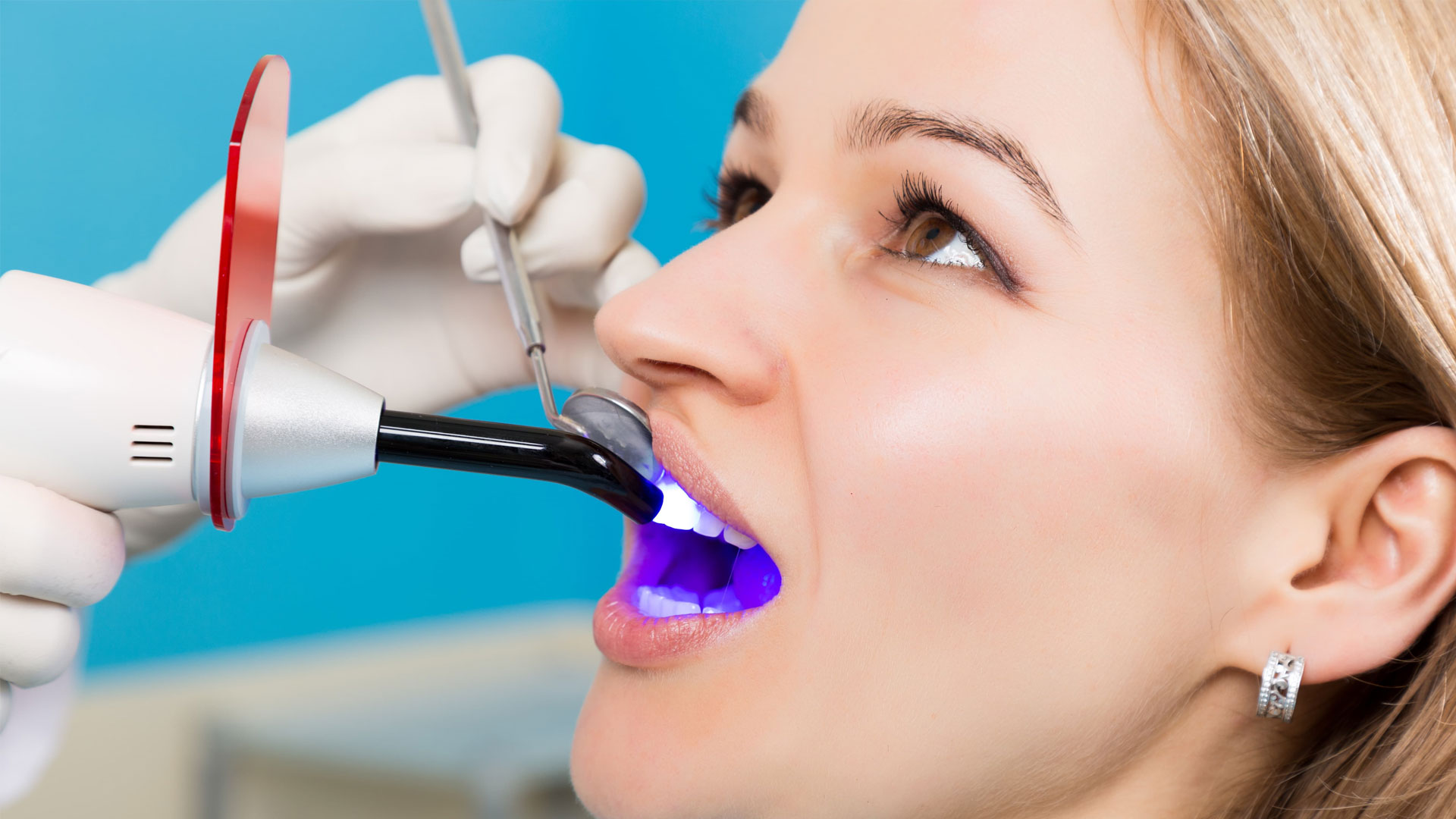
Dental Fillings in Brentwood, CA
Tooth decay is one of the most common dental problems, but treating a cavity early can help prevent further damage to the tooth. At Marsh Creek Dental, we provide professional dental fillings in Brentwood, CA to restore teeth affected by cavities and help protect their natural structure.
A dental filling can repair a tooth after decay has been removed, restore its shape and function, and help prevent the cavity from progressing further. Depending on the size and location of the damaged area, your dentist may recommend a filling or another restorative treatment.
If you have tooth sensitivity, pain, a visible cavity, or food that repeatedly becomes trapped around a tooth, a dental examination can help determine whether a filling may be appropriate.
What Is a Dental Filling?
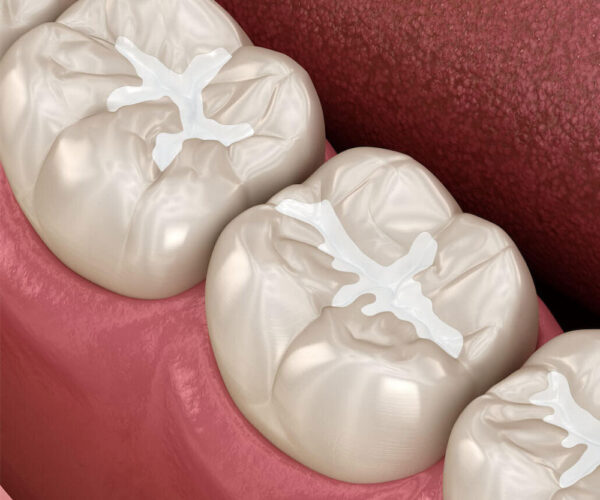
A dental filling is a restorative treatment used to repair a tooth that has been damaged by decay or, in certain situations, minor structural damage.
During treatment, the dentist removes the decayed portion of the tooth and fills the resulting area with a restorative material.
The goals of a dental filling are to:
- Remove damaged tooth structure
- Restore the shape of the tooth
- Improve chewing function
- Protect the remaining healthy tooth structure
- Help prevent decay from progressing
- Reduce symptoms associated with the cavity when appropriate
What Causes Cavities?
Cavities develop when bacteria in dental plaque interact with sugars and carbohydrates in the mouth, producing acids that can gradually damage tooth enamel.
Common factors that can increase the risk of cavities include:
- Inadequate brushing
- Not cleaning between teeth
- Frequent sugary foods and drinks
- Plaque buildup
- Dry mouth
- Certain dietary habits
- Infrequent dental visits
- Existing dental conditions
Good oral hygiene and regular professional dental care can help reduce the risk of tooth decay.
Learn more about oral hygiene in Brentwood, CA for practical guidance on maintaining healthy teeth and gums.
Signs You May Need a Dental Filling
A cavity does not always cause symptoms during its early stages. However, as decay progresses, you may notice changes in the affected tooth.
Possible signs include:
- Sensitivity to hot or cold
- Sensitivity to sweet foods or drinks
- Tooth pain
- Pain when biting
- Food frequently becoming trapped in one area
- A visible dark spot or hole
- Roughness on the surface of a tooth
- A chipped or damaged area
Some cavities are discovered during a routine dental examination before the patient experiences noticeable symptoms.
That is one reason regular dental appointments are important even when your teeth do not hurt.
Why Treat Cavities Early?
A small cavity may require a relatively conservative restoration. If decay continues to progress, however, more of the tooth can become damaged.
Untreated decay may eventually reach deeper layers of the tooth and cause:
- Significant tooth sensitivity
- Persistent tooth pain
- Pulp inflammation
- Dental infection
- Tooth fracture
- The need for root canal treatment
- The need for extraction
Treating tooth decay early can help preserve more of the natural tooth structure.
If you are experiencing persistent or severe tooth pain, learn more about our root canal treatment in Brentwood.
The Dental Filling Process
The exact procedure depends on the size and location of the cavity and the condition of the tooth.
Step 1: Dental Examination
Your dentist examines the affected tooth and surrounding areas.
Depending on the location of the suspected cavity, dental X-rays may be recommended.
Learn more about dental X-rays in Brentwood, CA.
Step 2: Numbing the Area
Local anesthesia may be used to numb the area around the affected tooth.
This helps make the procedure more comfortable.
Step 3: Removing the Decay
The dentist removes the decayed portion of the tooth while preserving as much healthy tooth structure as possible.
Step 4: Cleaning the Area
The prepared area is cleaned before the filling material is placed.
Step 5: Placing the Filling
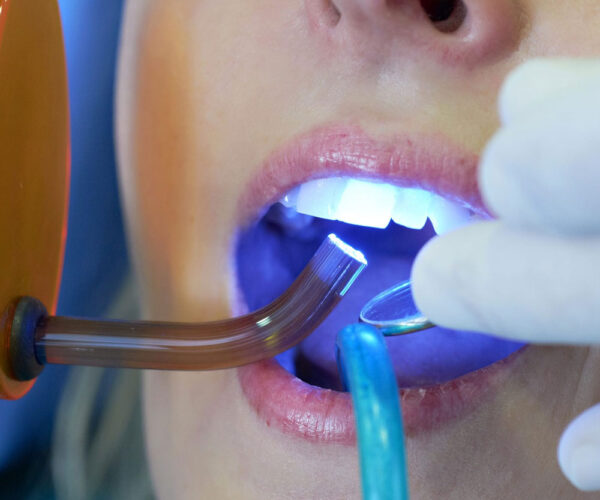
The restorative material is placed into the prepared portion of the tooth.
The material is shaped to restore the tooth’s normal form.
Step 6: Checking the Bite
Your dentist checks how the restored tooth contacts the opposing teeth and makes any necessary adjustments.
The goal is for the restoration to function comfortably during normal chewing.
Types of Dental Filling Materials
Different restorative materials may be used depending on the location of the cavity, the size of the restoration, functional requirements, and other factors.
Common filling materials include tooth-colored composite resin and other dental restorative materials.
Tooth-Colored Fillings
Composite fillings can be designed to blend with the natural color of the tooth.
They are commonly used when appearance is an important consideration.
Other Restorative Materials
Depending on the clinical situation, your dentist may discuss other restorative options.
The best material is determined based on factors such as:
- Location of the cavity
- Size of the restoration
- Amount of remaining tooth structure
- Bite forces
- Appearance
- Individual dental needs
Your dentist can explain the advantages and limitations of available options during your consultation.
Are Dental Fillings Painful?
The procedure itself is generally performed with local anesthesia to numb the treatment area.
Some patients may experience temporary sensitivity after a filling, particularly when eating or drinking hot, cold, or sweet foods.
If sensitivity is severe, persistent, or worsening after treatment, contact your dentist so the restoration and tooth can be evaluated.
How Long Do Dental Fillings Last?
The lifespan of a dental filling varies.
Factors that can affect the longevity of a restoration include:
- Size of the filling
- Location of the tooth
- Bite forces
- Oral hygiene
- Diet
- Tooth grinding or clenching
- Development of new decay
- Regular dental care
A filling is not a permanent guarantee that the tooth will never develop another problem.
Regular dental examinations allow your dentist to monitor existing restorations and detect new decay early.
Dental Fillings vs. Dental Crowns
A filling and a crown serve different purposes.
A filling is generally used to restore a tooth after a smaller or moderate amount of decay has been removed.
A crown covers and protects a larger portion of a tooth and may be recommended when the tooth has significant structural damage.
A dentist may consider factors such as:
- Amount of remaining tooth structure
- Size of the cavity
- Location of the tooth
- Previous dental treatment
- Risk of fracture
- Bite forces
For teeth that require more extensive restoration, learn more about dental crowns and bridges in Brentwood.
Dental Fillings vs. Root Canal Treatment
A filling treats the damaged portion of a tooth caused by decay or certain minor structural problems.
Root canal treatment addresses problems involving the pulp inside the tooth.
A deep cavity can sometimes progress to the point where the dental pulp becomes inflamed or infected. In such cases, a simple filling may no longer be enough.
Possible symptoms of a deeper dental problem include:
- Persistent toothache
- Severe sensitivity
- Pain when biting
- Lingering sensitivity after hot or cold exposure
- Swelling
- A recurring abscess
A dental examination is necessary to determine whether a filling or root canal treatment is appropriate.
Dental Fillings for Children
Children can develop cavities in both baby teeth and permanent teeth.
Treating cavities in children is important because untreated decay can cause pain, infection, difficulty eating, and other dental problems.
Parents can help protect children’s teeth by encouraging:
- Twice-daily brushing
- Appropriate flossing
- Regular dental visits
- Healthy eating habits
- Limited frequent exposure to sugary foods and drinks
- Proper oral hygiene
For comprehensive children’s dental care, visit our pediatric dentist services in Brentwood.
Dental sealants may also be recommended for certain children to help protect susceptible chewing surfaces.
Preventing the Need for Dental Fillings
The best filling is the one you never need.
Although cavities cannot always be prevented, consistent preventive care can reduce the risk of tooth decay.
Brush Twice Daily
Brush thoroughly twice each day with fluoride toothpaste.
Clean Between Your Teeth
Floss or use another appropriate interdental cleaning method to remove plaque and food particles from areas a toothbrush cannot reach effectively.
Limit Frequent Sugary Snacks
Frequent exposure to sugar can contribute to the development of cavities.
Drink Water
Water can help support normal saliva function and rinse away some food particles.
Maintain Professional Dental Cleanings
Professional cleanings can remove plaque and tartar buildup and give your dental team an opportunity to identify developing problems.
Learn more about routine dental cleaning in Brentwood.
Visit Your Dentist Regularly
Routine examinations can detect cavities before they become larger and more difficult to treat.
Dental Fillings and Oral Hygiene
A filling restores a damaged tooth, but it does not eliminate the need for daily oral hygiene.
The tooth surrounding the restoration remains vulnerable to plaque and decay.
Good daily habits include:
- Brushing twice daily
- Cleaning between teeth
- Cleaning along the gumline
- Limiting frequent sugary foods and drinks
- Drinking water
- Maintaining regular dental appointments
Our oral hygiene education services can help you develop a more effective daily dental care routine.
What Happens If a Filling Falls Out?
A filling can occasionally become loose, damaged, or fall out.
If this happens, contact your dentist for an evaluation.
Until you can be seen:
- Keep the area clean
- Avoid chewing directly on the affected tooth
- Avoid very hard or sticky foods
- Do not attempt to permanently repair the filling yourself
- Contact your dental office for guidance
If the tooth becomes painful or the area is associated with swelling, the problem may require more urgent attention.
Visit our dental emergency services page if you are experiencing a significant dental emergency.
Dental Fillings and Bad Breath
Cavities can sometimes contribute to unpleasant breath, particularly when decay, bacteria, or trapped food particles are present.
If you have persistent bad breath along with tooth pain, food trapping, or other dental symptoms, a dental examination can help determine whether tooth decay or another oral health problem may be contributing.
Learn more about bad breath treatment in Brentwood.
Dental Fillings and Gum Health
The gums surrounding a restored tooth also need proper care.
Plaque can accumulate around the gumline and contribute to inflammation or gum disease.
Signs of gum problems can include:
- Bleeding gums
- Redness
- Swelling
- Tenderness
- Persistent bad breath
- Gum recession
If you experience these symptoms, learn more about gum disease treatment in Brentwood.
Maintaining healthy gums is an important part of protecting both natural teeth and dental restorations.
Dental Fillings for Emergency Tooth Pain
A cavity does not always cause an emergency, but severe tooth pain may indicate that decay has progressed significantly.
If you experience:
- Severe toothache
- Facial swelling
- Significant sensitivity
- A broken tooth
- Pain that prevents sleep
- Signs of infection
prompt dental evaluation is recommended.
Our emergency dental services in Brentwood provide information about urgent dental problems and when to seek prompt care.
Why Choose Marsh Creek Dental for Dental Fillings?
Restorative dental treatment should address both the immediate problem and the long-term health of the tooth.
At Marsh Creek Dental, patients can receive comprehensive dental care in Brentwood, including preventive, general, restorative, family, pediatric, cosmetic, and emergency services.
When a cavity is detected, your dentist can evaluate the extent of decay and discuss whether a filling or another restorative treatment is appropriate.
Our goal is to preserve natural tooth structure whenever possible while helping you maintain a healthy, functional smile.
Explore our complete dental services in Brentwood, CA
Most popular and trending Dental Fillings Questions
The lifespan of a dental filling varies depending on the material used, the location of the filling, your bite, oral hygiene, and everyday habits. Some fillings can last for many years, but no restoration lasts forever.
Regular routine dental cleanings and good daily oral hygiene can help protect your teeth and fillings. Your dentist can also check existing fillings during regular examinations and recommend replacement when necessary.
Your dentist will use local anesthesia to numb the treatment area before removing decay and placing the filling. You may feel pressure or vibration during the procedure, but the area should be numb.
Some sensitivity may occur after treatment and usually improves as the tooth settles. If discomfort persists or becomes severe, contact your dental office for an evaluation.
There is no fixed number of times a tooth can receive a filling. The decision depends on how much healthy tooth structure remains and the size and condition of the existing restoration.
If a filling becomes too large or the tooth has significant damage, repeatedly replacing the filling may no longer provide enough support. In these situations, your dentist may recommend a dental crown or another restorative option.