
What to Expect During a Root Canal
If you think you need a root canal, consult your dentist. There are a number of steps that occur over a few office visits.
- X-ray – if a dentist suspects you may need a root canal, he will first take X-rays or examine existing X-rays to show where the decay is located.
- Anesthesia – local anesthesia is administered to the affected tooth. Contrary to popular belief, a root canal is no more painful than a filling.
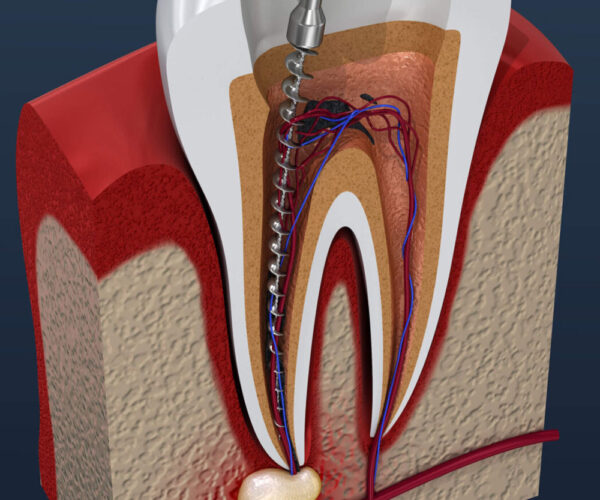
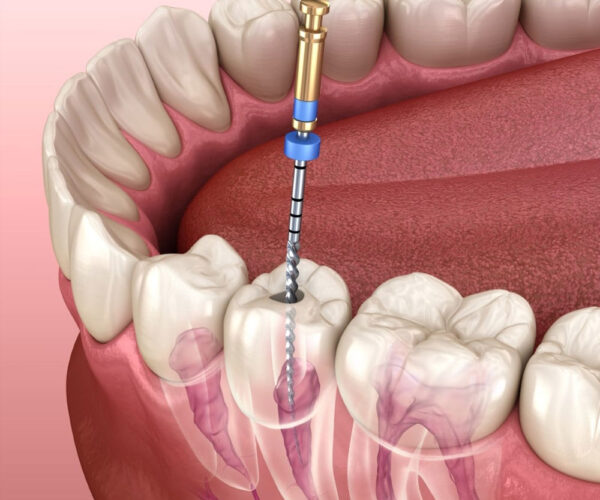
- Pulpectomy – an opening is made and the diseased tooth pulp is removed.
- Filling – the roots that have been opened (to get rid of the diseased pulp) are filled with gutta-percha material and sealed off with cement.
Tips for Care After a Root Canal
- Practice good oral hygiene – brush teeth twice a day, and floss at least once. Taking care of your teeth can help prevent future problems.
- Visit the dentist regularly – cleanings and examinations by dentists and hygienists.
- Avoid chewing on hard foods – chewing on hard foods such as ice can cause teeth to break, and can harm root canals.
Most Popular and Trending Root Canal Questions
The lifespan of a dental filling varies depending on the material used, the location of the filling, your bite, oral hygiene, and everyday habits. Some fillings can last for many years, but no restoration lasts forever.
Regular routine dental cleanings and good daily oral hygiene can help protect your teeth and fillings. Your dentist can also check existing fillings during regular examinations and recommend replacement when necessary.
Your dentist will use local anesthesia to numb the treatment area before removing decay and placing the filling. You may feel pressure or vibration during the procedure, but the area should be numb.
Some sensitivity may occur after treatment and usually improves as the tooth settles. If discomfort persists or becomes severe, contact your dental office for an evaluation.
There is no fixed number of times a tooth can receive a filling. The decision depends on how much healthy tooth structure remains and the size and condition of the existing restoration.
If a filling becomes too large or the tooth has significant damage, repeatedly replacing the filling may no longer provide enough support. In these situations, your dentist may recommend a dental crown or another restorative option.