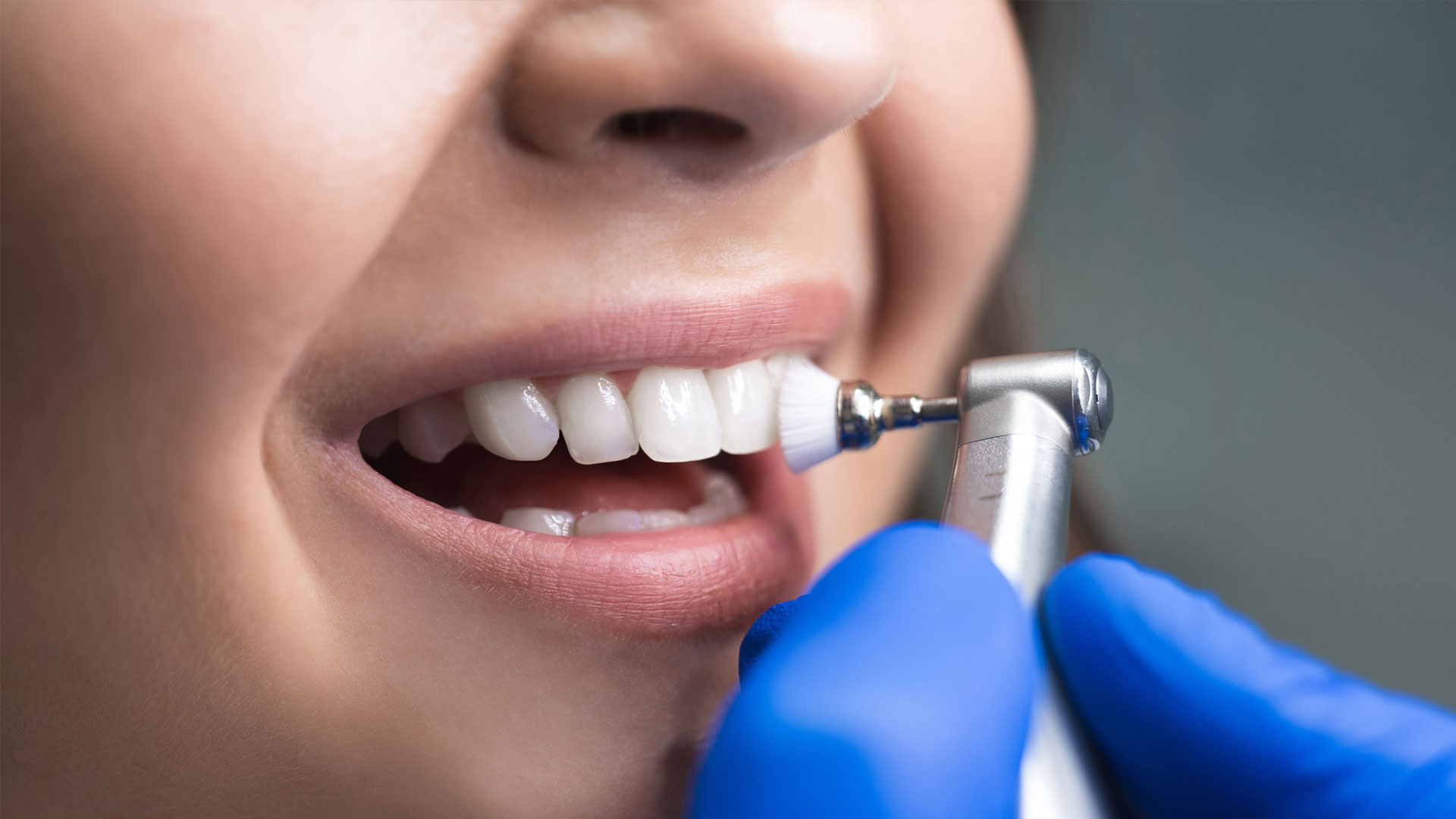
Routine Dental Cleaning in Brentwood, CA
Many people feel nervous about dental cleanings because of the sounds, instruments, or occasional sensitivity they may experience. However, a routine dental cleaning is a common preventive service designed to remove plaque and tartar that regular brushing and flossing may not completely eliminate.
At Marsh Creek Dental, we provide routine dental cleaning in Brentwood, CA to help patients maintain healthy teeth and gums. Understanding what happens during a cleaning can make your appointment more comfortable and help you feel more confident about your oral health.
A Physical Exam
Before the cleaning begins, a dental hygienist will examine your teeth and gums. Using a small dental mirror and other instruments, they can look for signs of plaque buildup, gum inflammation, cavities, or other areas that may need additional attention.
If the hygienist notices a concern, the dentist may perform an additional examination before the cleaning continues. This allows your dental team to determine whether you need further evaluation or treatment.
Routine examinations are an important part of preventive care because some dental problems may not cause noticeable symptoms in their early stages.
Removing Plaque and Tartar
During the cleaning, the hygienist uses specialized instruments to remove plaque and tartar from the surfaces of your teeth and along the gumline. You may hear scraping or feel some pressure during this part of the appointment.
Plaque is a soft film of bacteria that develops on teeth. When plaque is not removed regularly, it can harden into tartar, which cannot be removed effectively with ordinary brushing and flossing at home.
Regular oral hygiene education can help you learn techniques for controlling plaque between professional cleaning appointments.
Gritty Toothpaste Cleaning
Expert Flossing
Rinsing
Applying Fluoride Treatment
Your dental hygienist may ask you what flavor you like best. They’ll then place the foamy gel (or sometimes a sticky paste) into a mouthpiece that fits over your teeth. It’s usually left on your teeth for one minute. Besides the foamy gel, fluoride varnish is also painted onto the teeth with a small brush. Fluoride varnish will harden when in contact with saliva, so you can eat and drink immediately after.
Other Potential Steps
The services included during a routine dental cleaning can vary from patient to patient. Depending on your oral health, age, dental history, and risk factors, your visit may also include additional preventive or diagnostic services.
For example, your dentist may recommend dental X-rays when imaging is clinically appropriate, or dental sealants for children who may benefit from protection on the chewing surfaces of their back teeth
Some patients may need more frequent professional cleanings, while others may require less frequent visits. Your dentist or hygienist can recommend a schedule based on your individual oral health rather than following one schedule for everyone.
The goal of routine dental care is to monitor your teeth and gums, remove harmful buildup, and identify potential problems before they become more serious.


Most popular and trending Routine Cleaning Questions?
A routine dental cleaning generally includes an examination of the teeth and gums, removal of plaque and tartar, tooth polishing, and cleaning between the teeth. Depending on your needs, your visit may also include fluoride treatment or other preventive services.
If your dental team identifies signs of gum disease, additional periodontal evaluation or gum disease treatment may be recommended.
There is no single cleaning schedule that is right for every patient. Many people benefit from regular preventive dental cleanings, while patients with gum disease, a higher cavity risk, or other oral health concerns may need visits more frequently.
Your dentist can recommend an appropriate schedule based on your dental history, current oral health, and individual risk factors.
A routine cleaning focuses primarily on removing plaque, tartar, and surface deposits from the teeth and along the gumline.
A deep cleaning, also called scaling and root planing, is a periodontal treatment used when gum disease has caused deeper spaces or pockets around the teeth. It involves cleaning below the gumline and treating the root surfaces as needed.
Your dentist can determine which type of cleaning is appropriate after evaluating your teeth and gums.