
Gum Disease Treatment in Brentwood, CA
Gum disease is a common oral health condition that can affect the gums and supporting structures around your teeth. Without appropriate care, gum disease may become more advanced and contribute to gum recession, bone loss, and loose teeth. At Marsh Creek Dental, we provide gum disease treatment in Brentwood, CA to help identify and manage gum problems at different stages.
Early evaluation and good oral hygiene can help prevent gum disease from becoming more serious. If you notice bleeding gums, swelling, persistent bad breath, or changes around your teeth, our dental team can evaluate your gums and recommend appropriate treatment.
What is Gum Disease?
Gum disease, also called periodontal disease, is an infection or inflammation affecting the tissues that support your teeth. The earliest stage is generally called gingivitis, while more advanced disease is known as periodontitis.
Gum disease is often associated with plaque and tartar buildup. Other factors may also increase the risk, including smoking, certain medical conditions, genetics, hormonal changes, and difficulty maintaining good oral hygiene.
When gingivitis is not addressed, it may progress to periodontitis. Advanced periodontal disease can damage the tissues and bone supporting your teeth and may eventually contribute to tooth loss.
Regular dental examinations, professional routine cleanings, and good daily oral hygiene can help your dentist monitor your gum health and identify problems earlier.
What are the Symptoms of Gum Disease?
- Puffy or swollen gums
- Dark red gums
- Bleeding gums when you brush or floss
- Bad breath
- Receding gums
- New spaces growing between your teeth
- Bright red, dark red, or purple gums
- Pain when chewing
- Loose teeth
- Pus between your teeth
- Receding gums and exposed tooth roots
- Changes in how your teeth fit together when biting or chewing
How Do You Treat Gum Disease?
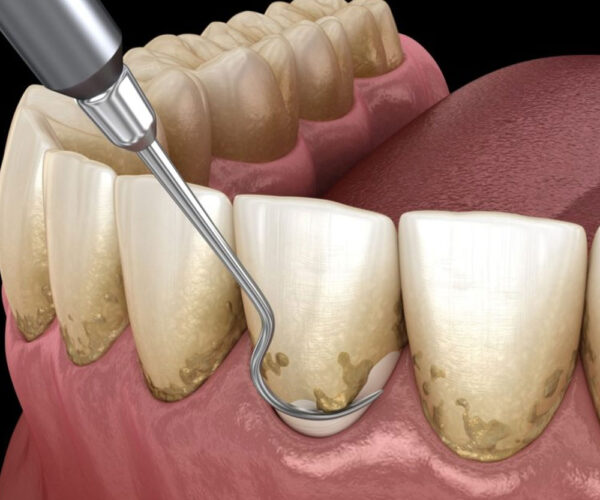
- Scaling and Root Planing: Dental scaling is a deep cleaning procedure performed to remove hardened plaque and tartar from your enamel. We will then perform a root planing to smooth the surface of your tooth root, preventing bacteria from adhering to it and causing future decay.
- Dental Crown Lengthening: Crown lengthening is performed to remove excess gum tissue and repair the decayed or damaged tooth underneath. We may also perform a crown lengthening to enhance the appearance of your teeth if you have a “gummy” smile.
- Gingivectomy: Gingivectomy is a surgical procedure to remove diseased gum tissue. The remaining healthy tissue is then reattached around your teeth.
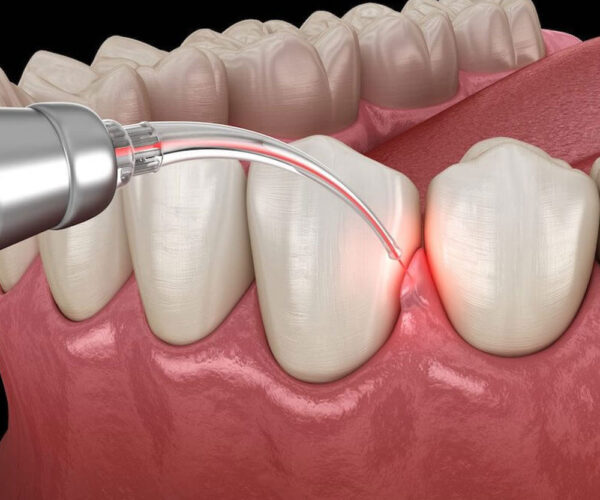
- Laser Treatment: This is a minimally invasive alternative to removing infected gum tissue. Laser treatment requires no scalpels or other surgical instruments and requires a shorter recovery period.
- Pocket Reduction: This surgical operation is performed to clean out the spaces between your receded gums and teeth (called periodontal pockets) and remove the infection-causing bacteria.
- Bone Grafting: A surgical procedure performed to restore and regenerate bone tissue resulting from periodontal disease. Bone grafting can also be performed to provide a stable base for one or more dental implants.
Most popular and trending Gum Disease Questions
Treatment depends on whether you have gingivitis or periodontitis and how advanced the condition is. Improving daily brushing and flossing, professional dental cleanings, and periodontal treatment when necessary can help manage gum disease.
Your dentist can evaluate your gums and recommend a personalized treatment plan rather than relying on one treatment for every patient.
Gingivitis can often be improved or reversed with appropriate oral hygiene and professional care. Periodontitis requires ongoing management because damage to the supporting tissues and bone may not be completely reversible.
However, appropriate periodontal treatment can help control infection, reduce inflammation, protect remaining support, and maintain your oral health.
Gum disease can often be managed with professional treatment and consistent oral care. However, untreated periodontal disease can lead to progressive damage around the teeth.
Because oral and overall health are connected, maintaining healthy gums is an important part of your overall healthcare. If you have signs of gum disease, scheduling a dental evaluation can help you understand your condition and treatment options.